Why Heart Attacks Are Increasing in Young Adults
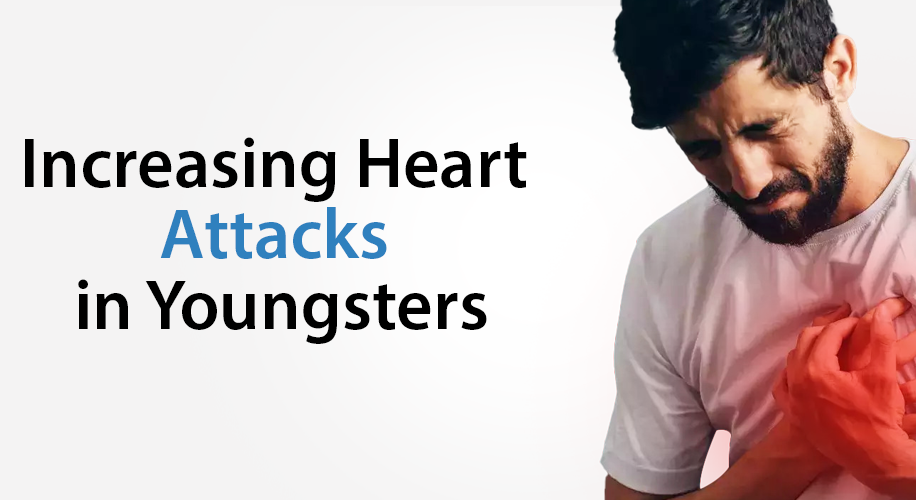
Heart attacks are no longer just a problem of old age. In recent years, there has been a sharp rise in cases among people in their 20s, 30s, and early 40s—especially in India. What’s alarming is that many of these individuals appear fit and healthy but still suffer from sudden cardiac events.
The Alarming Trend
Studies suggest that 1 in 5 heart attack patients in India is under 40, and cases have significantly increased over the past decade.
Additionally, India sees heart attacks almost a decade earlier than Western countries, making it a major public health concern.
Major Reasons Behind Rising Heart Attacks in Young Adults
1. Sedentary Lifestyle
Modern work culture involves long hours of sitting, minimal physical activity, and excessive screen time.
- Sitting 8–10 hours daily reduces metabolism
- Poor circulation increases risk of artery blockage
- Even gym-goers are at risk if inactive most of the day
A sedentary lifestyle is one of the biggest contributors to Coronary Artery Disease.
2. Unhealthy Diet Habits
Fast food, processed snacks, and sugary drinks are now a regular part of many young people’s diets.
- High trans fats clog arteries
- Excess salt raises blood pressure
- Low nutrition weakens heart health
This dietary pattern accelerates the risk of Heart Attack at a younger age.
3. Chronic Stress and Mental Pressure
Stress from work, finances, and personal life is significantly higher today.
- Raises cortisol levels
- Increases blood pressure
- Triggers inflammation in arteries
Experts highlight stress as a major hidden cause behind rising heart issues in young adults.
4. Smoking, Alcohol & Substance Use
Many young adults underestimate the damage caused by lifestyle habits.
- Smoking damages blood vessels
- Alcohol raises blood pressure
- Steroid or drug use can trigger sudden cardiac events
Even occasional use can increase long-term risk.
5. Lack of Sleep & Irregular Routine
Sleep deprivation is a silent killer for heart health.
- Disrupts hormonal balance
- Increases risk of hypertension and obesity
- Weakens heart function over time
Irregular sleep patterns are now strongly linked to cardiovascular diseases.
6. Undiagnosed Health Conditions
Many young individuals have hidden conditions without symptoms:
- High blood pressure
- Diabetes
- High cholesterol
These conditions silently damage arteries and often go unnoticed until a serious event occurs.
7. Genetic Predisposition (Especially in Indians)
Indians have a higher genetic risk for heart disease—even at normal weight or cholesterol levels.
- Higher levels of harmful lipoproteins
- Early plaque buildup in arteries
This makes early screening extremely important.
8. Overexertion & Gym Culture Risks
While exercise is healthy, extreme or unmonitored workouts can be dangerous.
- Sudden strain on the heart
- Use of supplements or steroids
- Undiagnosed heart conditions triggered during workouts
Experts warn that both inactivity and overexertion can increase risk.
9. Pollution & Urban Lifestyle
Air pollution and urban stressors also play a role:
- Increases inflammation
- Affects blood vessels
- Raises long-term cardiovascular risk
This is especially relevant in Indian cities.
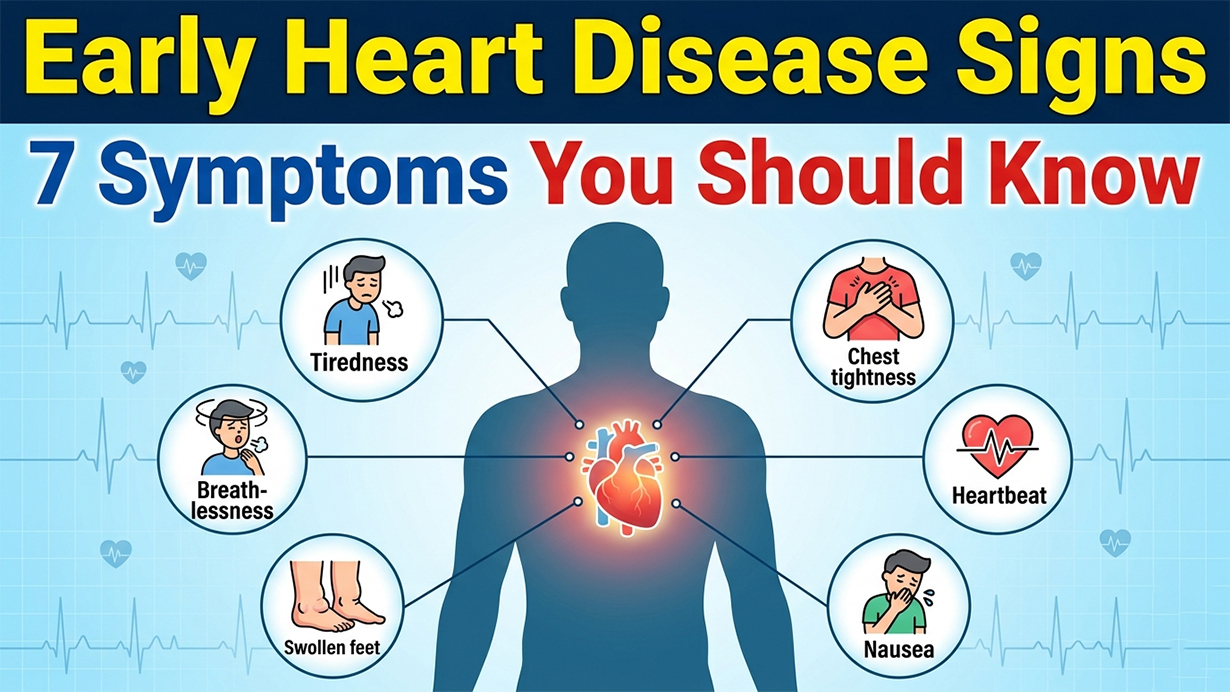
10. Ignoring Early Warning Signs
Young people often dismiss symptoms like:
- Chest discomfort
- Fatigue
- Indigestion
This delay in diagnosis can lead to severe outcomes, including sudden cardiac arrest.
Why This Trend is Dangerous
Heart attacks in young adults are often:
- More aggressive
- Unexpected
- Detected late
Many cases occur in individuals who appear completely healthy, making awareness even more important.
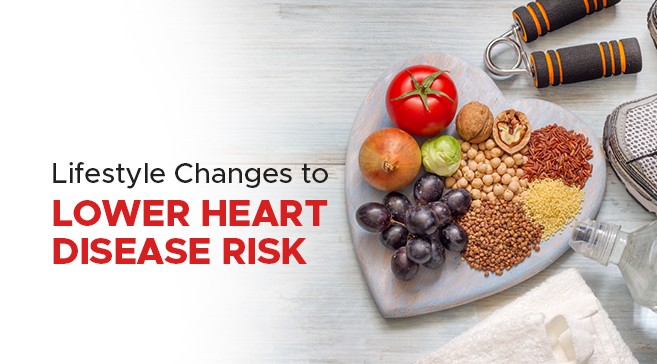
How to Reduce Your Risk
- Exercise regularly (at least 30 minutes daily)
- Eat a balanced, heart-healthy diet
- Manage stress through yoga or meditation
- Quit smoking and limit alcohol
- Get regular health check-ups (even in your 20s)
- Maintain proper sleep (7–8 hours daily)
Conclusion
The rise of heart attacks among young adults is a serious warning sign of changing lifestyles. While genetics play a role, most risk factors are preventable.
Ignoring your health today can lead to life-threatening consequences tomorrow. Start taking care of your heart early—because prevention is always better than cure.