Heart Valve Replacement: Types, Procedure, Risks & Recovery
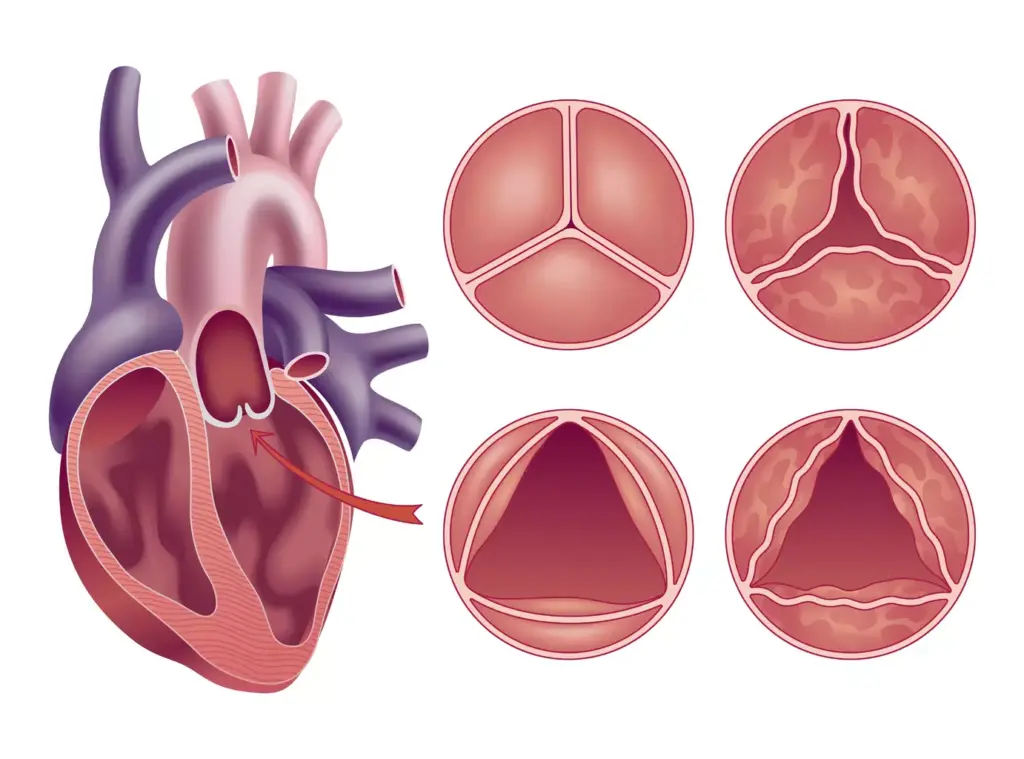
Heart Valve Replacement is a surgical procedure in which a damaged or diseased heart valve is replaced with an artificial (prosthetic) valve. It is performed when a valve becomes too narrow (stenosis) or does not close properly (regurgitation), affecting normal blood flow.
This procedure helps restore proper circulation and improves heart function.
Why is Heart Valve Replacement Needed?
Valve replacement is recommended when the valve damage is severe and cannot be treated with medications or repair.
Common conditions requiring valve replacement:
- Aortic Valve Disease (stenosis or regurgitation)
- Mitral Valve Disease
- Rheumatic heart disease
- Congenital valve defects
- Infective endocarditis
Types of Heart Valve Replacement
1. Mechanical Valves
- Made from durable materials like metal or carbon
- Long-lasting (often lifelong)
- Requires lifelong blood-thinning medication
2. Biological (Tissue) Valves
- Made from animal or human tissue
- Do not usually require long-term blood thinners
- May wear out over time (10–15 years)
Types of Procedures
1. Open-Heart Surgery
Traditional method where the chest is opened, and the valve is replaced.
2. Minimally Invasive Surgery
Smaller incisions, faster recovery, and less pain.
3. Transcatheter Valve Replacement (TAVR/TAVI)
A non-surgical approach where a new valve is inserted via a catheter (commonly used for high-risk patients).
How is the Procedure Performed?
- The patient is given general anesthesia
- The surgeon accesses the heart
- The damaged valve is removed
- A new artificial valve is placed
- Blood flow is restored, and the heart function is monitored
Benefits of Heart Valve Replacement
- Improves blood flow and heart efficiency
- Relieves symptoms like breathlessness and fatigue
- Enhances quality of life
- Prevents complications like heart failure
- Increases life expectancy
Risks and Complications
Although generally safe, risks may include:
- Bleeding
- Infection
- Blood clots
- Stroke
- Valve malfunction
- Need for reoperation (especially with tissue valves)
Recovery After Valve Replacement
In Hospital:
- ICU monitoring
- Pain management
- Breathing and physiotherapy exercises
At Home:
- Gradual return to normal activities
- Regular follow-ups
- Cardiac rehabilitation
Recovery usually takes 6–12 weeks, depending on the procedure type.
Lifestyle After Surgery
To maintain heart health:
- Follow a heart-healthy diet
- Exercise regularly
- Take medications as prescribed
- Monitor blood pressure and cholesterol
- Avoid smoking and alcohol
Our Specialist

Dr. Dheeraj Sharma
M.B.B.S., M.S., M. Ch., 12 Gold Medals to Life-Saving Surgeries
Senior Consultant Cardiovascular surgery - Fortis Hospital, Greater Noida