
Electrocardiogram (ECG): A Complete Guide to Heart Rhythm Testing
An Electrocardiogram (ECG or EKG) is a simple, non-invasive test that records the electrical activity of the heart. It helps doctors evaluate heart rhythm, detect abnormalities, and diagnose various heart conditions.
The ECG is one of the most commonly used and essential tests in cardiology.
Why is an ECG Done?
An ECG is performed to:
- Detect irregular heart rhythms (arrhythmias)
- Diagnose heart attacks
- Identify heart enlargement
- Monitor existing heart conditions
- Evaluate chest pain or palpitations
- Check heart health before surgery
How Does an ECG Work?
- The heart generates electrical signals that control its beating
- Electrodes (small sticky patches) are placed on the chest, arms, and legs
- These electrodes detect electrical signals
- The ECG machine records these signals as a graph (waveform)
Types of ECG Tests
- Resting ECG: Performed while lying down; quick and commonly used
- Stress ECG (Treadmill Test): Done during physical exercise; assesses heart function under stress
- Holter Monitoring: Continuous ECG recording for 24–48 hours; detects intermittent heart rhythm problems
How is the ECG Procedure Performed?
- The patient lies comfortably on a table
- Electrodes are attached to the chest, arms, and legs
- The machine records heart activity
- The test takes about 5–10 minutes
Benefits of ECG
- Quick and painless
- Non-invasive
- No radiation exposure
- Provides immediate results
- Helps in early detection of heart problems
Risks and Safety
ECG is extremely safe:
- No side effects
- No electrical current enters the body
- Safe for all age groups
What Conditions Can ECG Detect?
- Arrhythmias (irregular heartbeat)
- Heart attack (current or past)
- Heart enlargement
- Electrolyte imbalances
- Conduction abnormalities
Preparation for ECG
- No special preparation required
- Wear comfortable clothing
- Avoid applying lotions or oils on the chest
When Should You Get an ECG?
Consult your doctor if you experience:
- Chest pain
- Palpitations
- Shortness of breath
- Dizziness or fainting
- Fatigue
Our Specialist
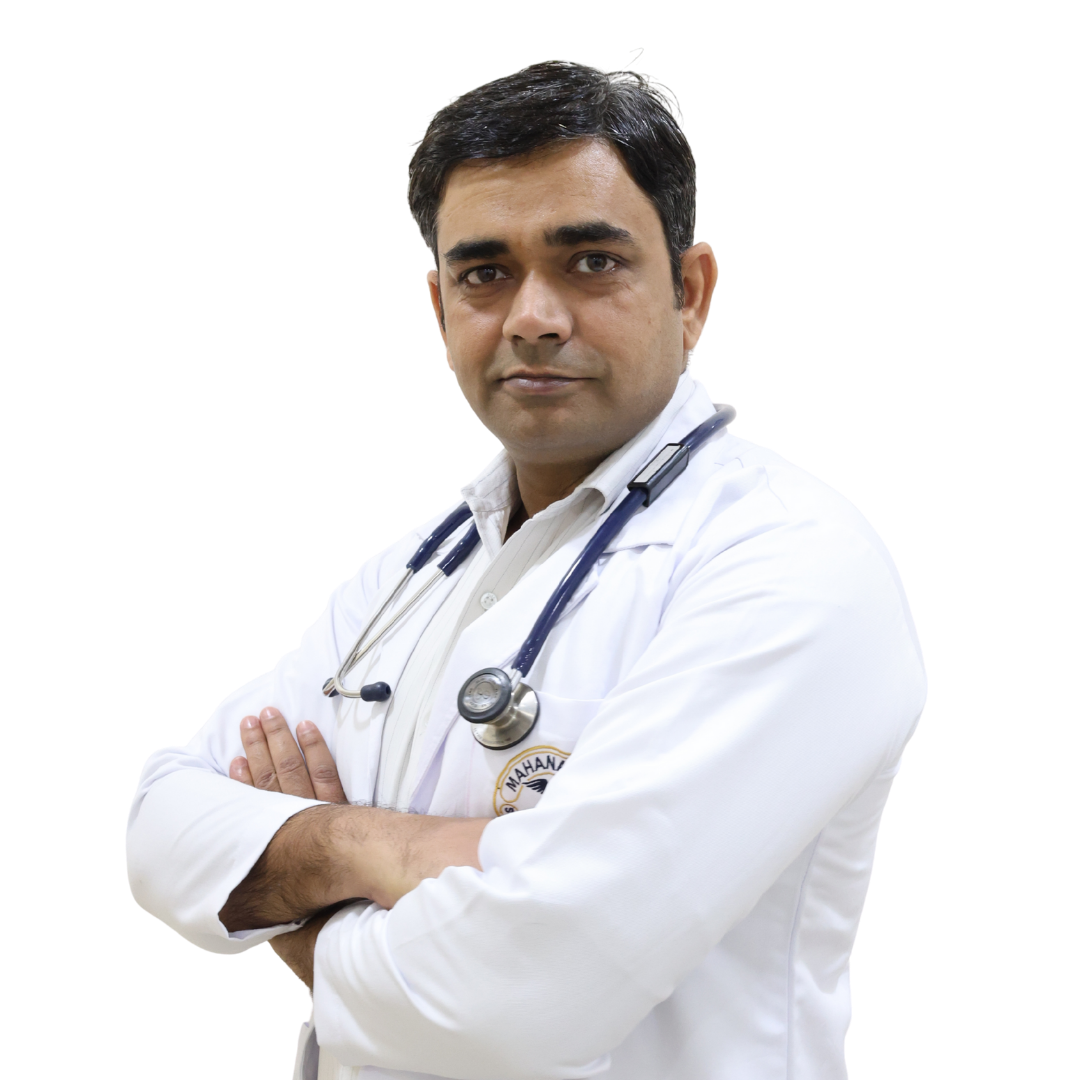
Dr. Virender Singh Bhati
MD Physician, Clinical Cardiologist, PGDCC (SPS Apollo Hospital, Ludhiana)
Associate Consultant - Department of Cardiology, Fortis Hospital, Greater Noida