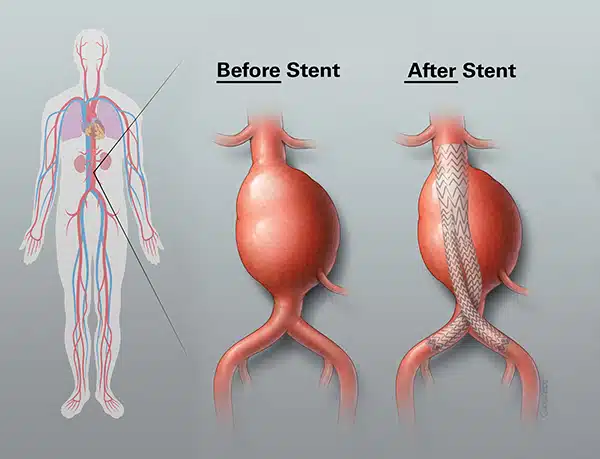
Surgery for Aneurysms: Types, Procedure, Risks & Recovery
An aneurysm is an abnormal bulging or ballooning in the wall of a blood vessel, most commonly occurring in the aorta (the body’s main artery) or in brain arteries. If an aneurysm grows large or ruptures, it can become life-threatening and requires urgent medical treatment.
When is Surgery for Aneurysm Needed?
Surgery is recommended when:
- The aneurysm is large (usually >5 cm in the aorta)
- It is growing rapidly
- There is a risk of rupture
- The patient has symptoms such as pain or pressure
- The aneurysm has already ruptured (emergency)
Types of Aneurysm Surgery
1. Open Surgical Repair
- The damaged section of the artery is removed
- Replaced with a synthetic graft
- Considered a permanent and durable solution
2. Endovascular Repair (EVAR/TEVAR)
- Minimally invasive procedure
- A stent graft is inserted through a catheter
- No large incision required
- Faster recovery compared to open surgery
Types of Aneurysms Treated Surgically
- Aortic Aneurysm (Abdominal or Thoracic)
- Brain (Cerebral) Aneurysm
- Peripheral Aneurysms (arms, legs, or other arteries)
How is Aneurysm Surgery Performed?
Open Surgery:
- General anesthesia is administered
- Surgeon makes an incision to access the artery
- The aneurysm is removed or repaired
- A graft is placed to restore blood flow
Endovascular Repair:
- A catheter is inserted through a small incision (usually in the groin)
- A stent graft is guided to the aneurysm
- The graft reinforces the weakened artery wall
Benefits of Aneurysm Surgery
- Prevents rupture (life-saving)
- Restores normal blood flow
- Reduces risk of complications
- Improves long-term survival
Risks and Complications
Like any major procedure, risks may include:
- Bleeding
- Infection
- Blood clots
- Stroke
- Kidney complications
- Leakage around the graft (in endovascular repair)
Recovery After Aneurysm Surgery
After Open Surgery:
- Hospital stay: 7–10 days
- Recovery time: 6–12 weeks
After Endovascular Repair:
- Hospital stay: 2–3 days
- Recovery time: 2–4 weeks
Lifestyle Changes After Surgery
To prevent future complications:
- Control blood pressure
- Quit smoking
- Maintain a healthy diet
- Exercise regularly
- Monitor cholesterol levels
- Attend regular follow-ups
Our Specialist
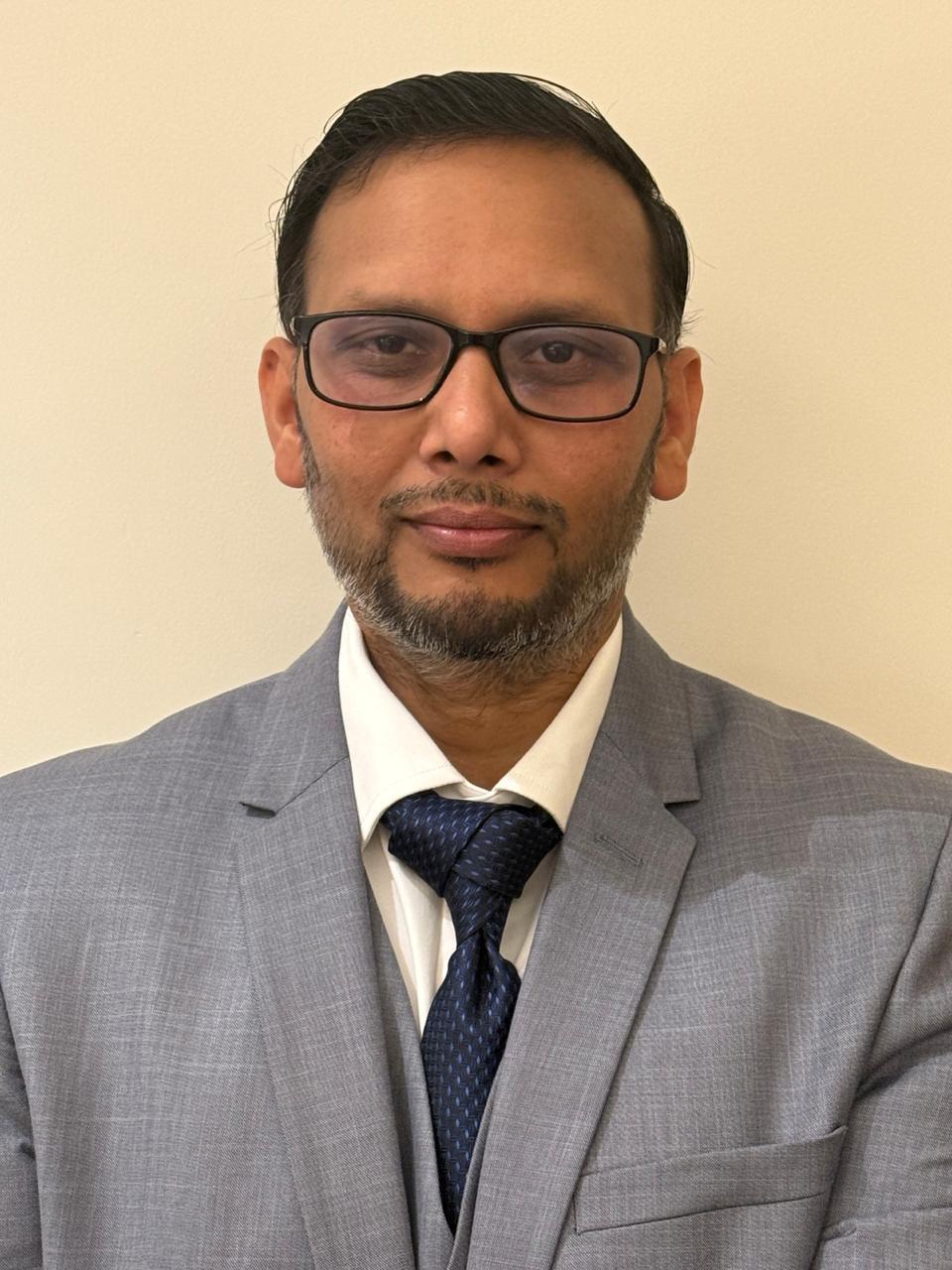
Dr. Dheeraj Sharma
M.B.B.S., M.S., M. Ch., 12 Gold Medals to Life-Saving Surgeries
Senior Consultant Cardiovascular surgery - Fortis Hospital, Greater Noida