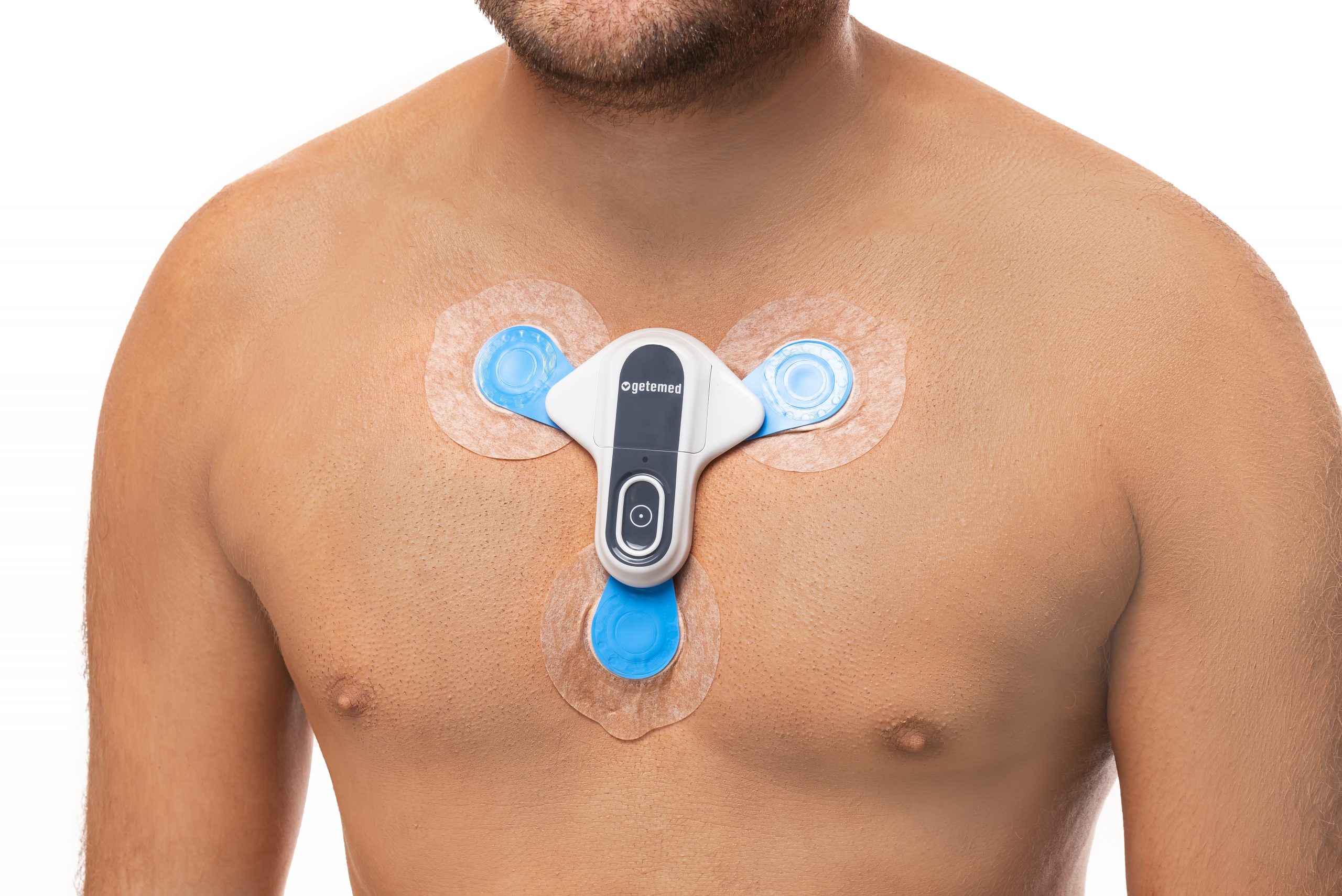
External Loop Recording (ELR): Advanced Monitoring for Intermittent Heart Rhythm Problems
External Loop Recording (ELR) is a portable heart monitoring test used to detect intermittent or infrequent heart rhythm abnormalities (arrhythmias). Unlike a standard ECG or Holter monitor, ELR can be used for weeks to months, making it ideal for capturing symptoms that do not occur daily.
The device continuously records heart activity in a loop and saves data when triggered by symptoms or automatically.
Why is External Loop Recording Done?
ELR is recommended when symptoms are occasional and difficult to capture with short-term monitoring.
Common reasons include:
- Unexplained palpitations
- Dizziness or fainting (syncope)
- Suspected arrhythmias
- Monitoring effectiveness of heart medications
- Detecting irregular heart rhythms not seen on ECG or Holter
How Does External Loop Recording Work?
- Electrodes are attached to the chest and connected to a portable device
- The device continuously records and overwrites data in a loop
- When symptoms occur, the patient presses a button to save the recording
- Some devices automatically detect abnormal rhythms
- Data is later analyzed by a cardiologist
How is the Test Performed?
- Electrodes are placed on the chest
- The ELR device is worn on a belt or strap
- The patient continues daily activities
- Symptoms are recorded manually or automatically
- Monitoring may continue for 1–4 weeks or longer
Benefits of External Loop Recording
- Long-term heart rhythm monitoring
- Detects rare or intermittent arrhythmias
- More effective than short-duration tests
- Non-invasive and comfortable
- Helps correlate symptoms with heart activity
Risks and Safety
ELR is very safe:
- No radiation exposure
- No electrical current enters the body
- Mild skin irritation from electrodes (rare)
When is ELR Recommended?
Your doctor may suggest ELR if you have:
- Infrequent palpitations
- Unexplained fainting episodes
- Irregular heartbeat not detected on ECG or Holter
- Suspected arrhythmias requiring long-term monitoring
Preparation for External Loop Recording
- Wear comfortable clothing
- Avoid applying lotions or oils on the chest
- Follow normal daily routine
- Keep a diary of symptoms if advised
What to Expect During Monitoring?
- You can perform most daily activities
- Avoid water exposure unless the device is waterproof
- Press the event button when symptoms occur
- Maintain a symptom log for better diagnosis
Our Specialist

Dr. Virender Singh Bhati
MD Physician, Clinical Cardiologist, PGDCC (SPS Apollo Hospital, Ludhiana)
Associate Consultant - Department of Cardiology, Fortis Hospital, Greater Noida