Bentall’s Procedure: Aortic Root Replacement Surgery Explained
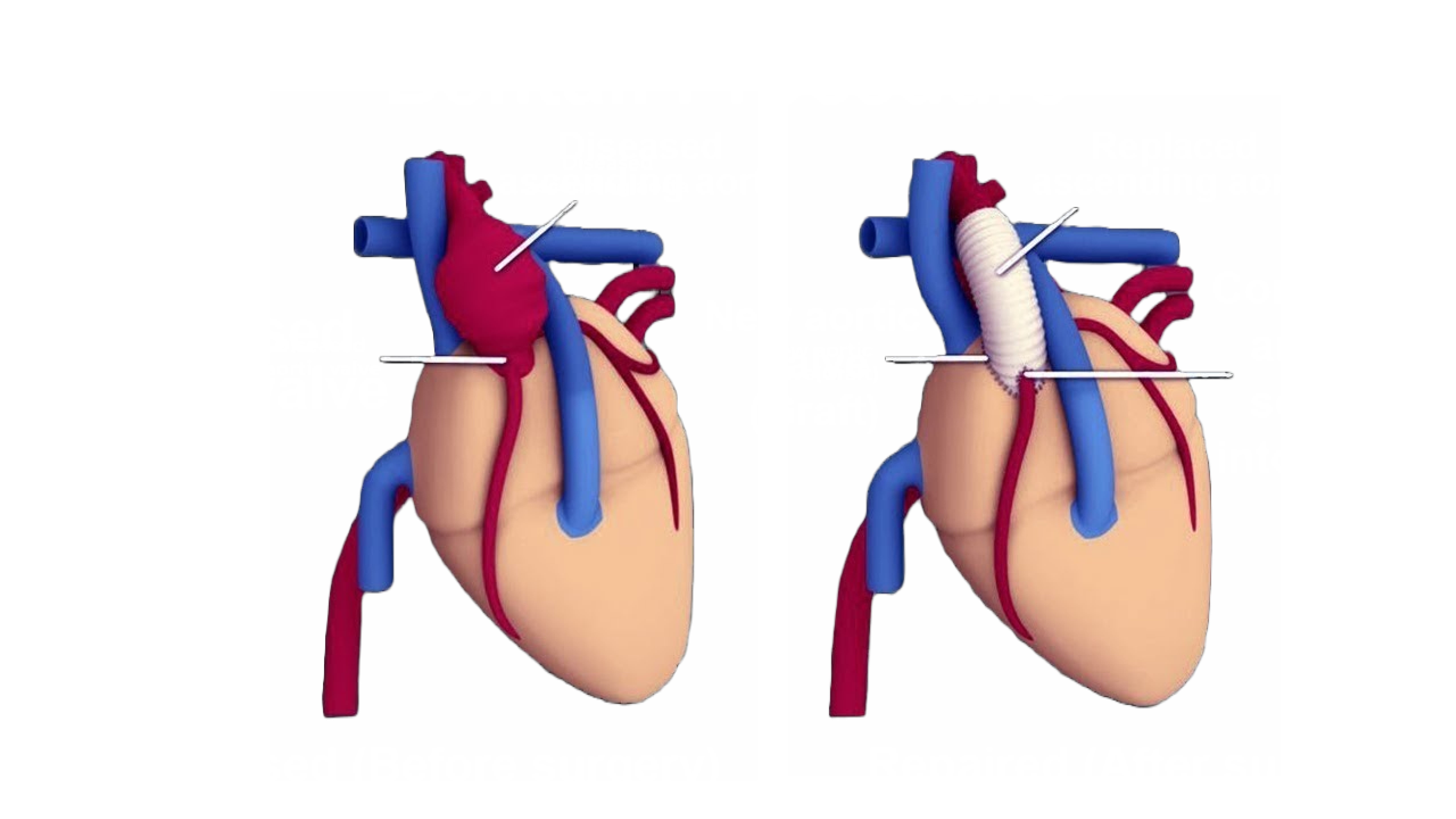
Bentall’s Procedure is a complex open-heart surgery used to treat serious conditions affecting the aortic root and aortic valve. In this procedure, the aortic valve, aortic root, and ascending aorta are replaced, and the coronary arteries are reattached to the new graft.
It is a life-saving surgery commonly performed for patients with aortic aneurysm, aortic dissection, or severe aortic valve disease.
Why is Bentall’s Procedure Needed?
This surgery is recommended in cases such as:
- Aortic root aneurysm
- Aortic dissection (Type A)
- Severe aortic valve disease (stenosis or regurgitation)
- Connective tissue disorders (e.g., Marfan syndrome)
- Failed previous aortic surgery
What Does the Procedure Involve?
Bentall’s procedure combines valve replacement and aortic repair in one surgery:
- Removal of the diseased aortic valve and damaged aorta
- Replacement with a composite graft (artificial tube with a valve)
- Reattachment of the coronary arteries to the graft
- Restoration of normal blood flow
Types of Bentall Procedure
1. Mechanical Valve Bentall
- Long-lasting valve
- Requires lifelong blood thinners
2. Biological Valve Bentall
- Made from tissue
- No long-term blood thinners needed
- May require replacement after 10–15 years
Benefits of Bentall’s Procedure
- Treats multiple heart problems in one surgery
- Prevents life-threatening aortic rupture
- Improves heart function and blood flow
- Increases survival rates
- Provides long-term durability
Risks and Complications
As a major cardiac surgery, risks may include:
- Bleeding
- Infection
- Stroke
- Heart rhythm problems
- Valve-related complications
- Need for lifelong medication (in mechanical valves)
Recovery After Bentall’s Procedure
In Hospital:
- ICU monitoring for a few days
- Pain management
- Breathing and physiotherapy
At Home:
- Gradual return to normal activities
- Regular follow-up visits
- Cardiac rehabilitation
Full recovery typically takes 6–12 weeks.
Lifestyle After Surgery
To maintain long-term results:
- Follow a heart-healthy diet
- Exercise regularly
- Avoid smoking and alcohol
- Monitor blood pressure and cholesterol
- Take prescribed medications
Our Specialist
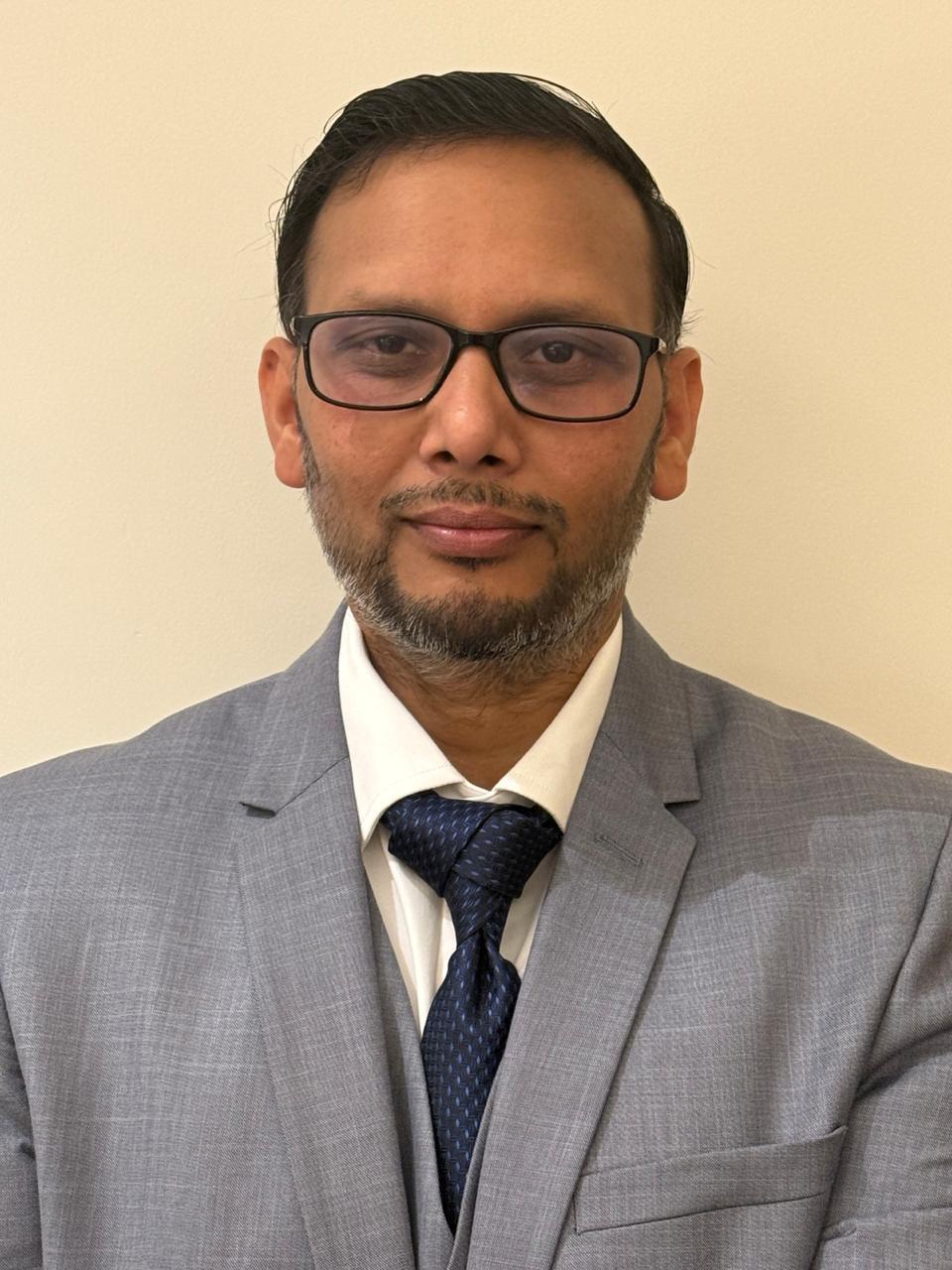
Dr. Dheeraj Sharma
M.B.B.S., M.S., M. Ch., 12 Gold Medals to Life-Saving Surgeries
Senior Consultant Cardiovascular surgery - Fortis Hospital, Greater Noida