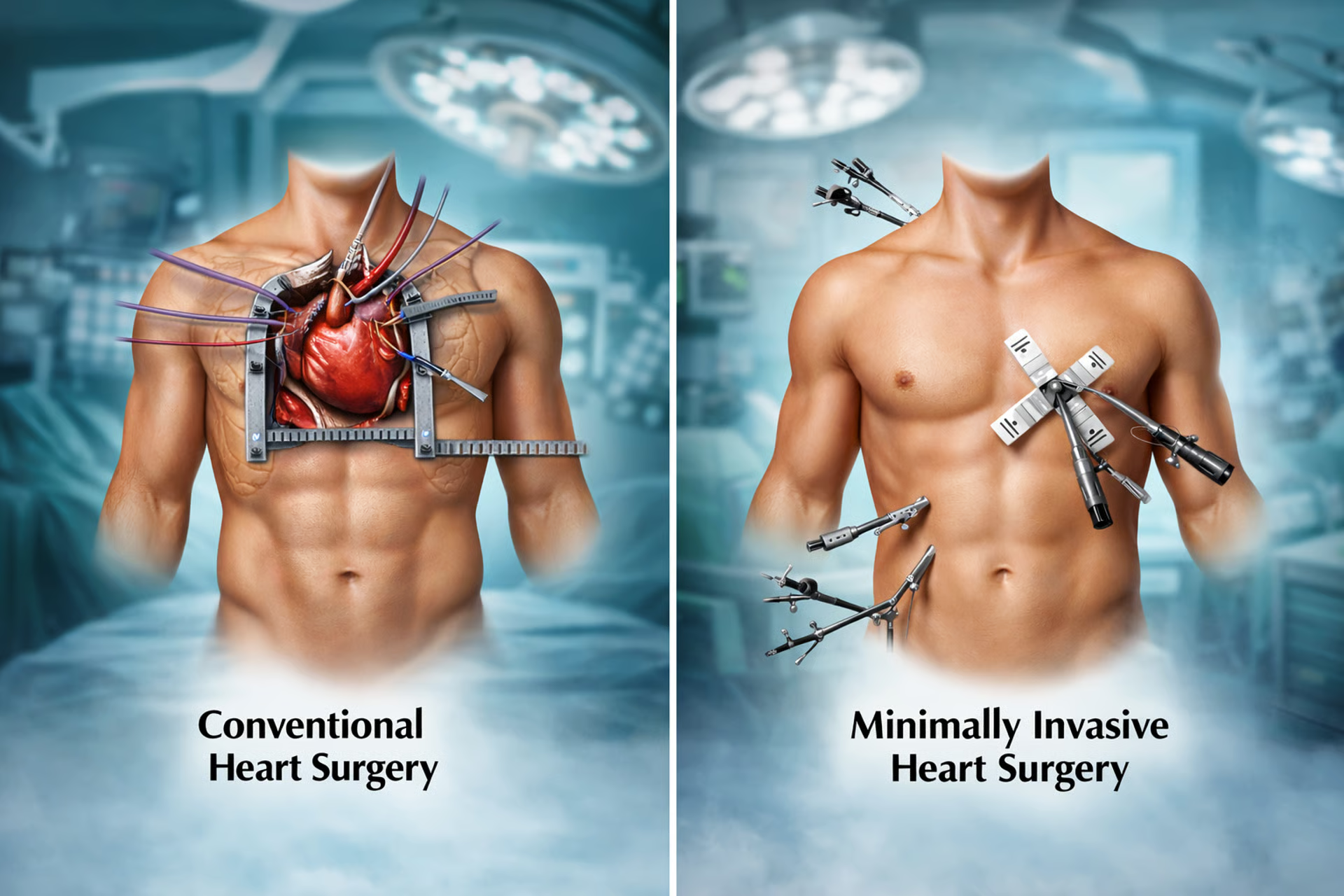
Minimally Invasive Cardiac Surgery (MICS): Advanced Heart Surgery with Faster Recovery
Minimally Invasive Cardiac Surgery (MICS) refers to advanced heart procedures performed through small incisions instead of a large chest opening (sternotomy). Specialized instruments, cameras, and sometimes robotic assistance are used to perform complex heart surgeries with greater precision.
This approach reduces trauma to the body and allows faster recovery with fewer complications.
What Conditions Can Be Treated with MICS?
Minimally invasive techniques can be used for:
- Coronary Artery Bypass Surgery (CABG)
- Heart Valve Repair and Replacement
- Atrial Septal Defect (ASD) Closure
- Mitral Valve Surgery
- Cardiac Tumor Removal
- Atrial Fibrillation Procedures
Types of Minimally Invasive Cardiac Surgery
1. Mini-Thoracotomy
- Small incision between the ribs
- No need to cut the breastbone
2. Robotic Cardiac Surgery
- Uses robotic arms controlled by the surgeon
- High precision and minimal scarring
3. Port-Access Surgery
Multiple small ports for instruments and camera
How is MICS Performed?
- The patient is given general anesthesia
- Small incisions are made in the chest
- Specialized tools and cameras are inserted
- The surgeon performs the procedure with precision
- Incisions are closed with minimal sutures
- In some cases, a heart-lung machine may still be used
Benefits of Minimally Invasive Cardiac Surgery
- Smaller incisions and minimal scarring
- Less pain and blood loss
- Lower risk of infection
- Shorter hospital stay
- Faster recovery and return to normal life
- Better cosmetic results
Risks and Limitations
Although generally safe, some risks include:
- Bleeding
- Infection
- Conversion to open surgery if needed
- Not suitable for all patients or complex cases
- Requires highly experienced surgical team
Who is a Suitable Candidate?
MICS is suitable for:
- Patients with early or moderate heart disease
- Those eligible for specific procedures like valve repair
- Patients seeking faster recovery
However, patients with complex or multiple conditions may require traditional open-heart surgery.
Recovery After MICS
In Hospital:
- Short ICU stay
- Early mobilization
- Less pain compared to open surgery
At Home:
- Resume daily activities within 2–4 weeks
- Follow cardiac rehabilitation
- Regular follow-ups
Lifestyle After Surgery
- Maintain a heart-healthy diet
- Exercise regularly
- Avoid smoking and alcohol
- Control blood pressure, cholesterol, and diabetes
- Take prescribed medications
Our Specialist

Dr. Dheeraj Sharma
M.B.B.S., M.S., M. Ch., 12 Gold Medals to Life-Saving Surgeries
Senior Consultant Cardiovascular surgery - Fortis Hospital, Greater Noida