Total Arterial CABG: Advanced Heart Bypass Surgery for Better Long-Term Results
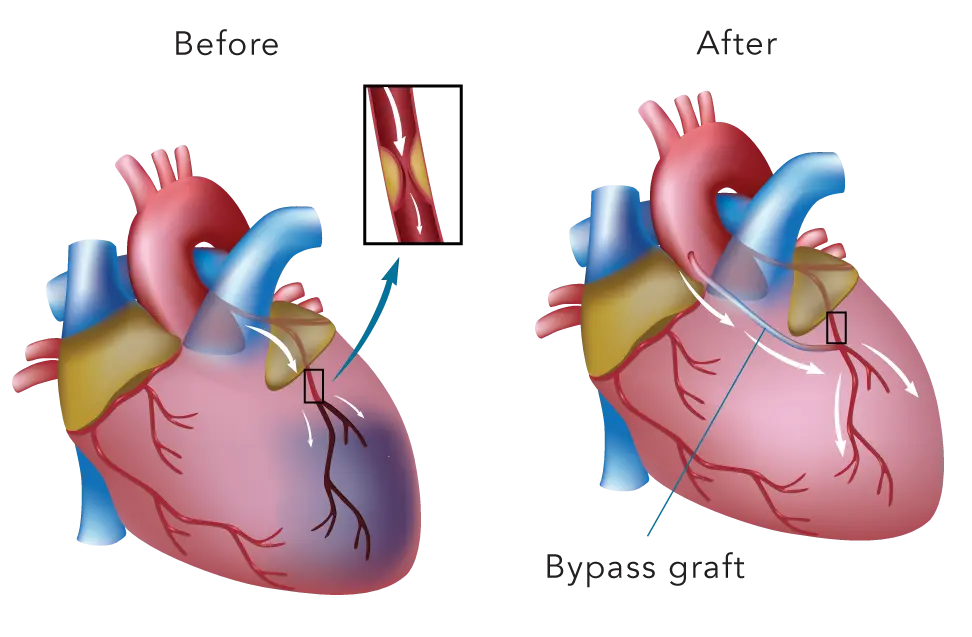
Total Arterial Coronary Artery Bypass Grafting (CABG) is an advanced form of heart bypass surgery in which only arteries (not veins) are used to create bypass grafts for blocked coronary arteries.
Unlike traditional CABG that often uses veins from the leg, this technique uses arteries like the internal mammary artery and radial artery, which are more durable and long-lasting.
Why is Total Arterial CABG Performed?
This procedure is recommended for patients with coronary artery disease (CAD) who need long-term, reliable results.
It is especially beneficial for:
- Younger patients
- Patients with multiple coronary blockages
- Those requiring long-lasting grafts
- Patients with a higher risk of graft failure using veins
How is Total Arterial CABG Done?
The procedure involves:
- Harvesting arterial grafts from the chest (internal mammary arteries) or arm (radial artery)
- Creating bypasses around blocked coronary arteries
- Restoring proper blood flow to the heart
- Performing surgery either with or without a heart-lung machine
Types of Arterial Grafts Used
- Internal Mammary Artery (IMA) – Most commonly used, excellent long-term results
- Radial Artery – Taken from the arm
- Gastroepiploic Artery – Taken from the abdomen (less common)
Benefits of Total Arterial CABG
- Longer graft lifespan (often 15–25 years or more)
- Better long-term survival rates
- Lower risk of re-blockage
- Reduced need for repeat procedures
- Improved heart function over time
Risks and Challenges
While highly effective, there are some considerations:
- Technically more complex surgery
- Longer operation time
- Not suitable for all patients
- Risk of wound complications (especially in diabetic patients)
- Arm discomfort if radial artery is used
Who is a Good Candidate?
Total arterial CABG is ideal for:
- Younger patients with longer life expectancy
- Patients with good arterial quality
- Individuals with multi-vessel coronary artery disease
- Patients committed to long-term lifestyle changes
Your cardiac surgeon will evaluate your condition before recommending this approach.
Recovery After Total Arterial CABG
Recovery is similar to standard bypass surgery:
In Hospital:
- ICU monitoring
- Pain control
- Early mobilization
At Home:
- Gradual return to normal activities
- Cardiac rehabilitation
- Healthy diet and exercise
Recovery usually takes 6–10 weeks, depending on overall health.
Lifestyle After Surgery
To maintain the benefits of surgery:
- Quit smoking
- Eat a low-fat, heart-healthy diet
- Exercise regularly
- Control blood pressure, cholesterol, and diabetes
- Take medications as prescribed
Our Specialist

Dr. Dheeraj Sharma
M.B.B.S., M.S., M. Ch., 12 Gold Medals to Life-Saving Surgeries
Senior Consultant Cardiovascular surgery - Fortis Hospital, Greater Noida