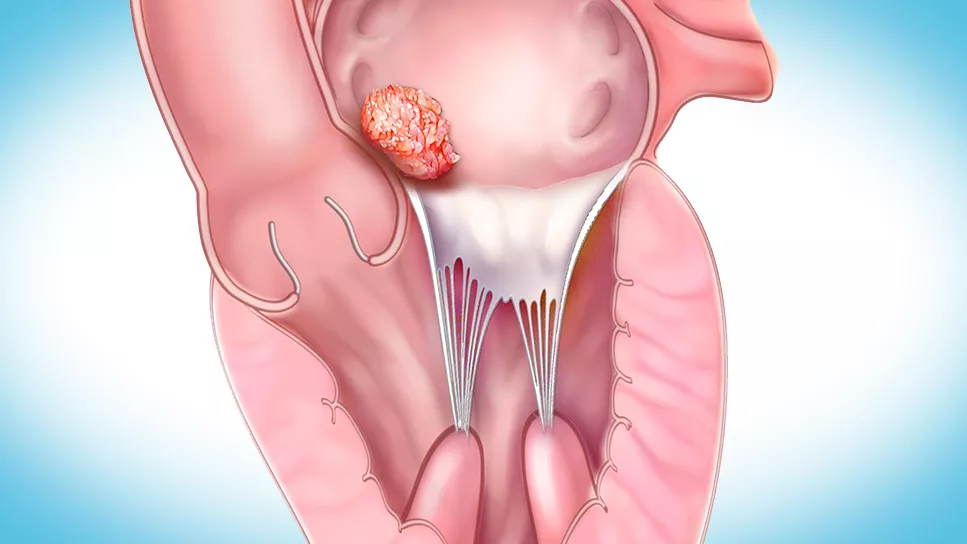
Cardiac Tumors and RSOV: Causes, Symptoms, Diagnosis & Treatment
Cardiac tumors are abnormal growths that develop in or around the heart. They can be benign (non-cancerous) or malignant (cancerous), though most heart tumors are benign.
These tumors may affect heart function by interfering with blood flow, valves, or electrical activity.
Types of Cardiac Tumors
1. Benign Cardiac Tumors
- Myxoma – Most common primary heart tumor
- Lipoma – Fat-based tumor
- Fibroma – Common in children
- Papillary Fibroelastoma – Often affects heart valves
2. Malignant Cardiac Tumors
- Sarcoma – Most common cancerous tumor of the heart
- Lymphoma – Rare, affects immune cells
Causes of Cardiac Tumors
The exact cause is often unknown, but possible factors include:
- Genetic predisposition
- Family history of tumors
- Metastasis (spread from other cancers)
- Rare inherited syndromes
Symptoms of Cardiac Tumors
Symptoms depend on size and location:
- Shortness of breath
- Chest pain
- Palpitations
- Fainting (syncope)
- Signs of heart failure
- Stroke-like symptoms (if embolism occurs)
What is RSOV (Rupture of Sinus of Valsalva)?
RSOV (Rupture of Sinus of Valsalva) is a rare but serious heart condition where a bulging area (aneurysm) in the aorta ruptures into one of the heart chambers.
This leads to abnormal blood flow and can quickly become life-threatening if not treated.
Causes of RSOV
- Congenital weakness of the aortic wall
- Infective endocarditis
- Trauma
- Connective tissue disorders
- Degenerative changes in the aorta
Symptoms of RSOV
Symptoms often appear suddenly and may include:
- Sudden chest pain
- Breathlessness
- Rapid heart rate
- Fatigue
- Continuous heart murmur
- Signs of heart failure
Diagnosis of Cardiac Tumors and RSOV
Doctors may use the following tests:
- Echocardiography (2D Echo) – Primary diagnostic tool
- Transesophageal Echocardiography (TEE) – Detailed imaging
- CT Scan / MRI – To assess size and location
- Electrocardiogram (ECG) – To check heart rhythm
- Cardiac Catheterization – In selected cases
Treatment Options
Treatment for Cardiac Tumors
- Surgical Removal – Main treatment for most tumors
- Medications – To manage symptoms
- Chemotherapy/Radiation – For malignant tumors
Treatment for RSOV
- Emergency Surgical Repair – Most common treatment
- Device Closure (Catheter-based) – In selected cases
- Medications – For stabilization before surgery
Complications if Untreated
Cardiac Tumors:
- Obstruction of blood flow
- Stroke due to embolism
- Heart failure
- Arrhythmias
RSOV:
- Severe heart failure
- Sudden cardiac collapse
- Death (if untreated)
Recovery and Follow-Up
- Regular cardiac checkups
- Imaging follow-ups (Echo/CT)
- Medications as prescribed
- Lifestyle modifications for heart health
Our Specialist

Dr. Dheeraj Sharma
M.B.B.S., M.S., M. Ch., 12 Gold Medals to Life-Saving Surgeries
Senior Consultant Cardiovascular surgery - Fortis Hospital, Greater Noida