Coronary Artery Bypass Grafting (CABG): Procedure, Benefits, Risks & Recovery
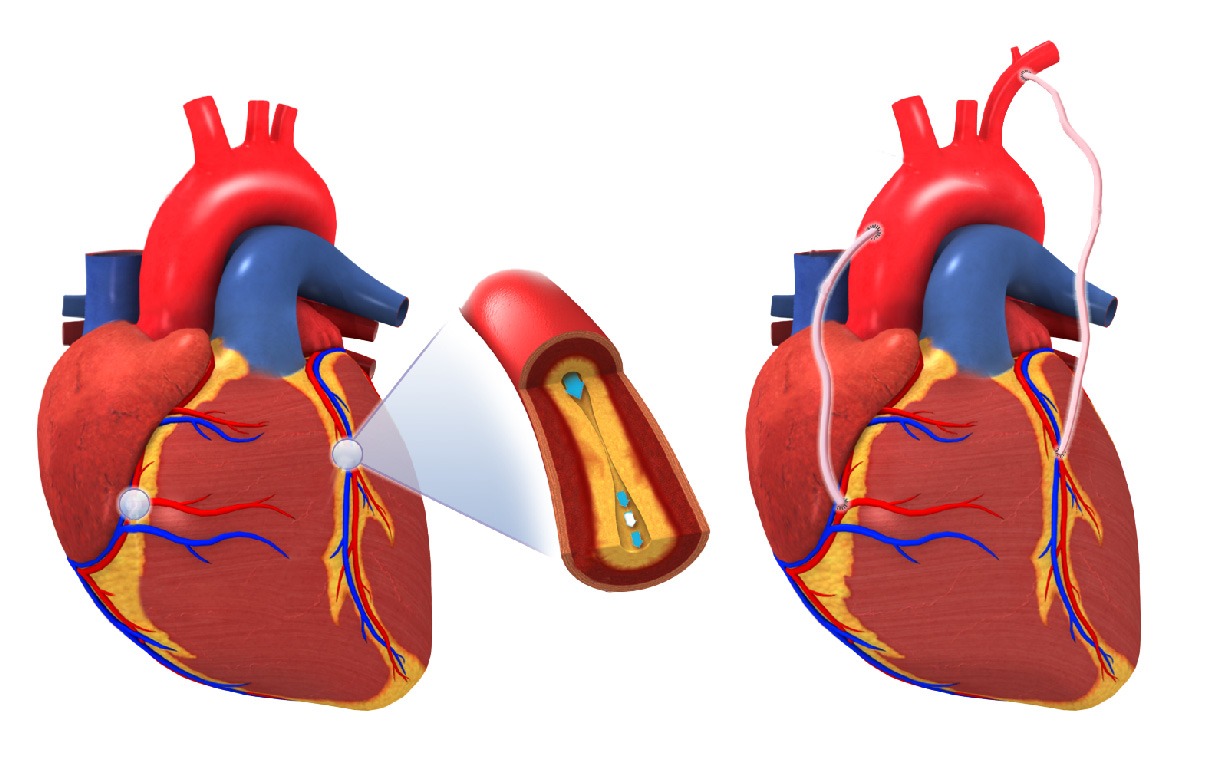
Coronary Artery Bypass Grafting (CABG) is a surgical procedure used to treat coronary artery disease (CAD). It improves blood flow to the heart by bypassing blocked or narrowed coronary arteries using a healthy blood vessel (graft) taken from another part of the body.
CABG is commonly known as heart bypass surgery and is one of the most effective treatments for severe heart blockages.
What is Coronary Artery Bypass Grafting (CABG)?
Coronary Artery Bypass Grafting (CABG) is a surgical procedure used to treat coronary artery disease (CAD). It improves blood flow to the heart by bypassing blocked or narrowed coronary arteries using a healthy blood vessel (graft) taken from another part of the body.
Why is CABG Needed?
CABG is recommended when the coronary arteries are significantly blocked and cannot be effectively treated with medications or procedures like angioplasty.
Common indications include:
- Severe coronary artery disease
- Multiple blocked arteries
- Left main coronary artery blockage
- Failed angioplasty or stenting
- Persistent chest pain (angina)
How is CABG Surgery Performed?
CABG is usually performed under general anesthesia and involves the following steps:
- A healthy blood vessel is taken from the leg (saphenous vein), chest (internal mammary artery), or arm.
- The surgeon creates a bypass around the blocked artery.
- Blood flow is redirected through the new graft.
- The heart may be temporarily stopped, and a heart-lung machine is used (in traditional CABG).
- Minimally invasive and off-pump techniques are also available in selected cases.
Types of CABG Surgery
- Traditional CABG – Open-heart surgery with heart-lung machine
- Off-pump CABG – Performed while the heart is still beating
- Minimally invasive CABG – Smaller incisions, faster recovery
Benefits of CABG
- Improves blood flow to the heart
- Relieves chest pain (angina)
- Reduces risk of heart attack
- Improves quality of life
- Increases survival in severe cases
Risks and Complications
Like any major surgery, CABG carries some risks:
- Bleeding
- Infection
- Stroke
- Heart rhythm problems (arrhythmias)
- Kidney complications
- Memory or cognitive issues (temporary in some cases)
However, CABG is generally safe when performed by experienced cardiac surgeons.
Recovery After CABG
Recovery is gradual and may take several weeks:
In Hospital:
- ICU stay for monitoring
- Pain management
- Breathing exercises
At Home:
- Gradual increase in physical activity
- Wound care
- Healthy diet and lifestyle changes
- Cardiac rehabilitation program
Most patients return to normal activities within 6–12 weeks.
Lifestyle Changes After CABG
To ensure long-term success:
- Quit smoking
- Eat a heart-healthy diet
- Exercise regularly
- Control blood pressure, diabetes, and cholesterol
- Take prescribed medications regularly
Our Specialist

Dr. Dheeraj Sharma
M.B.B.S., M.S., M. Ch., 12 Gold Medals to Life-Saving Surgeries
Senior Consultant Cardiovascular surgery - Fortis Hospital, Greater Noida