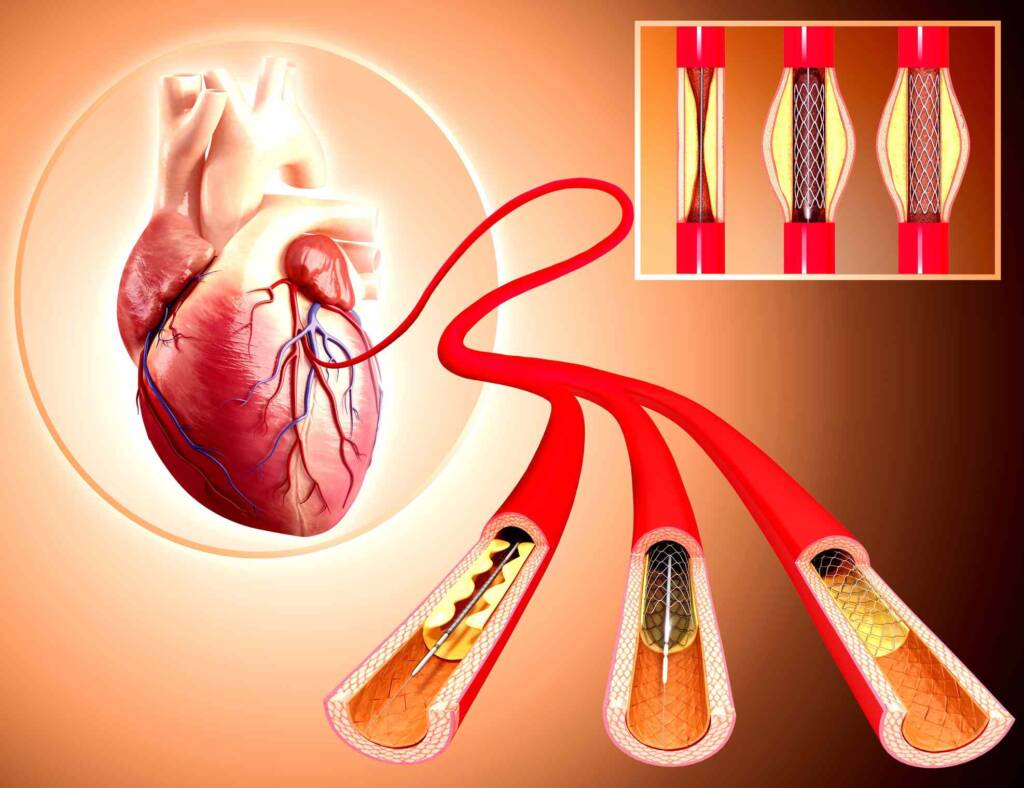
Renal Peripheral Angioplasty: Treatment for Kidney Artery Blockage
Renal Peripheral Angioplasty is a minimally invasive procedure used to treat narrowing (stenosis) or blockage in the renal arteries, which supply blood to the kidneys.
The procedure involves using a balloon catheter and sometimes a stent to widen the artery and restore proper blood flow to the kidneys.
Why is Renal Angioplasty Needed?
This procedure is recommended for patients with Renal Artery Stenosis, which can lead to:
- High blood pressure (hypertension) that is difficult to control
- Reduced kidney function
- Kidney damage or failure
- Fluid retention and swelling
Causes of Renal Artery Narrowing
- Atherosclerosis (plaque buildup in arteries)
- Fibromuscular dysplasia (common in younger patients)
- Diabetes
- Smoking
- High cholesterol
Symptoms of Renal Artery Stenosis
- Uncontrolled high blood pressure
- Sudden worsening of hypertension
- Decreased kidney function
- Swelling in legs or feet
- Fatigue
Note: Some patients may have no symptoms.
How is Renal Peripheral Angioplasty Performed?
- Local anesthesia is administered
- A catheter is inserted through the groin or wrist artery
- The catheter is guided to the renal artery
- A balloon is inflated to open the narrowed area
- A stent may be placed to keep the artery open
- Blood flow to the kidney is restored
The procedure usually takes 30–90 minutes.
Benefits of Renal Angioplasty
- Minimally invasive (no major surgery)
- Helps control high blood pressure
- Improves kidney blood flow
- Prevents further kidney damage
- Short hospital stay and quick recovery
Risks and Complications
Although generally safe, possible risks include:
- Bleeding or bruising at the insertion site
- Kidney injury (rare)
- Allergic reaction to contrast dye
- Re-narrowing of the artery
- Blood clots
Recovery After Renal Angioplasty
- Hospital stay: usually 1 day
- Resume normal activities within 2–3 days
- Avoid heavy lifting for about a week
- Follow-up tests to monitor kidney function
Who is a Suitable Candidate?
Renal angioplasty may be recommended for:
- Patients with resistant hypertension
- Reduced kidney function due to artery narrowing
- Bilateral renal artery stenosis
- Patients not responding to medications
Lifestyle Changes After Procedure
- Control blood pressure
- Follow a low-salt diet
- Quit smoking
- Exercise regularly
- Manage diabetes and cholesterol
Our Specialist

Dr. Virender Singh Bhati
MD Physician, Clinical Cardiologist, PGDCC (SPS Apollo Hospital, Ludhiana)
Associate Consultant - Department of Cardiology, Fortis Hospital, Greater Noida