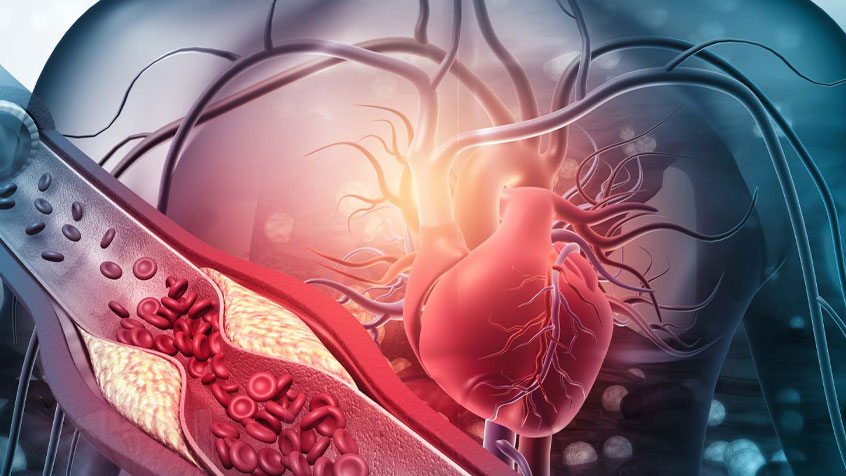
Vascular Surgery: Treatments for Artery and Vein Diseases
Vascular Surgery is a specialized branch of medicine that focuses on the diagnosis and treatment of diseases affecting blood vessels, including arteries, veins, and lymphatic circulation—excluding the heart and brain.
It involves both minimally invasive procedures and open surgeries to restore proper blood flow and prevent serious complications.
What Conditions are Treated in Vascular Surgery?
Vascular surgeons treat a wide range of conditions, including:
- Peripheral Artery Disease (PAD)
- Varicose Veins
- Deep Vein Thrombosis (DVT)
- Aortic Aneurysm
- Carotid Artery Disease
- Diabetic Foot and Non-Healing Ulcers
- Chronic Venous Insufficiency
- Vascular Trauma
Common Vascular Surgery Procedures
1. Angioplasty and Stenting
- Minimally invasive
- Opens blocked arteries using a balloon and stent
2. Bypass Surgery
Creates a new path for blood flow around blocked arteries
3. Endovascular Aneurysm Repair (EVAR)
Treats aneurysms using a stent graft
4. Varicose Vein Treatment
- Laser therapy (EVLT)
- Radiofrequency ablation (RFA)
- Sclerotherapy
5. Carotid Endarterectomy
Removes plaque from carotid arteries to prevent stroke
Symptoms of Vascular Disease
You may need vascular care if you experience:
- Leg pain while walking (claudication)
- Swelling in legs or feet
- Visible varicose veins
- Non-healing wounds or ulcers
- Numbness or weakness
- Cold or discolored limbs
How are Vascular Diseases Diagnosed?
Doctors may recommend:
- Doppler Ultrasound – First-line test
- CT Angiography – Detailed imaging
- MR Angiography
- Ankle-Brachial Index (ABI)
- Blood Tests
Benefits of Vascular Surgery
- Restores proper blood circulation
- Relieves pain and symptoms
- Prevents limb loss (amputation)
- Reduces risk of stroke and heart attack
- Improves quality of life
Risks and Complications
Although generally safe, potential risks include:
- Bleeding
- Infection
- Blood clots
- Recurrence of blockage
- Reaction to anesthesia
Recovery After Vascular Surgery
Minimally Invasive Procedures:
- Short hospital stay (1–2 days)
- Quick recovery (1–2 weeks)
Open Surgery:
- Longer hospital stay
- Recovery may take 4–8 weeks
Lifestyle Changes for Vascular Health
- Quit smoking
- Maintain a healthy weight
- Exercise regularly
- Control diabetes, blood pressure, and cholesterol
- Eat a balanced diet
- Stay active
Our Specialist
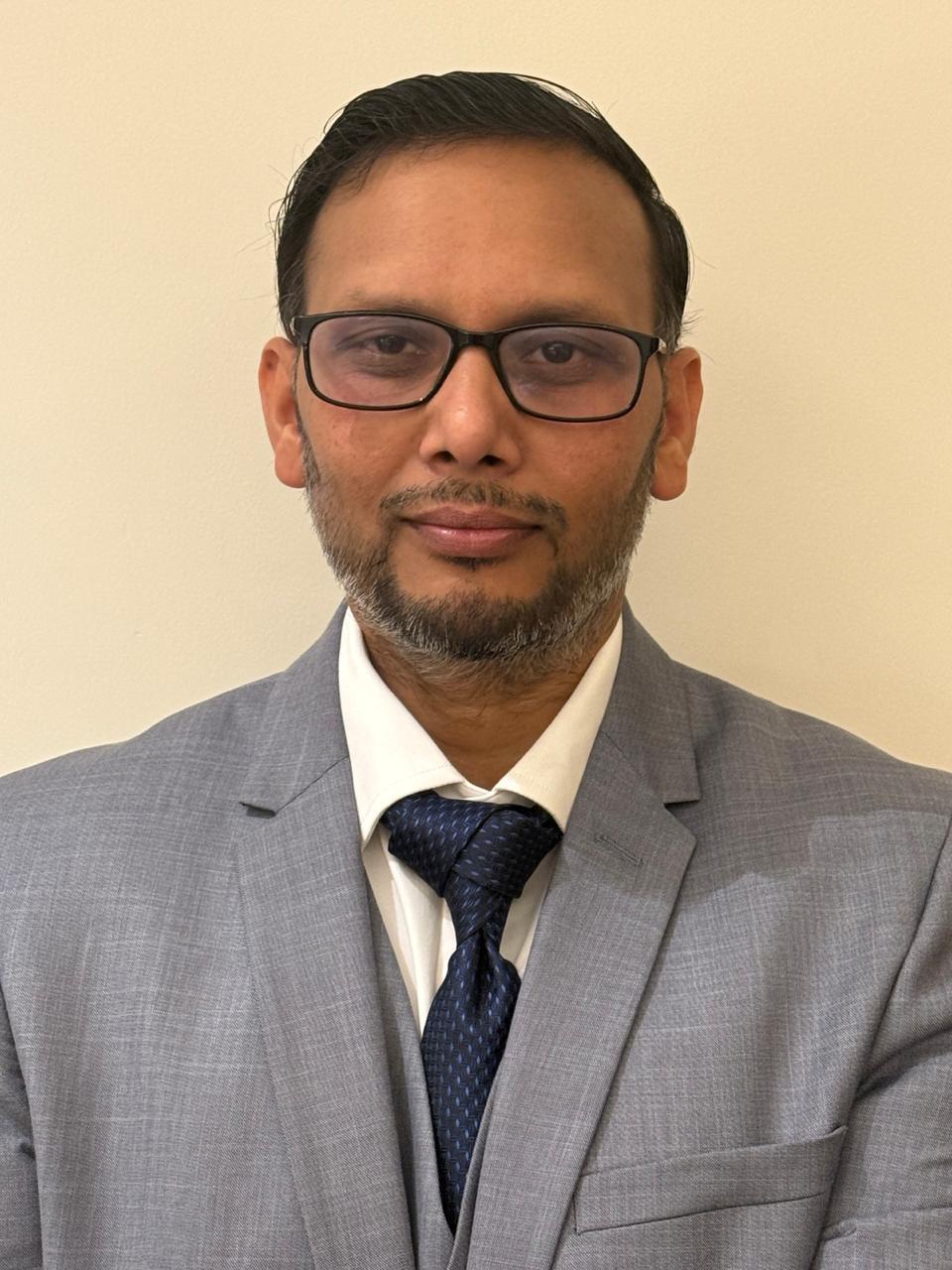
Dr. Dheeraj Sharma
M.B.B.S., M.S., M. Ch., 12 Gold Medals to Life-Saving Surgeries
Senior Consultant Cardiovascular surgery - Fortis Hospital, Greater Noida