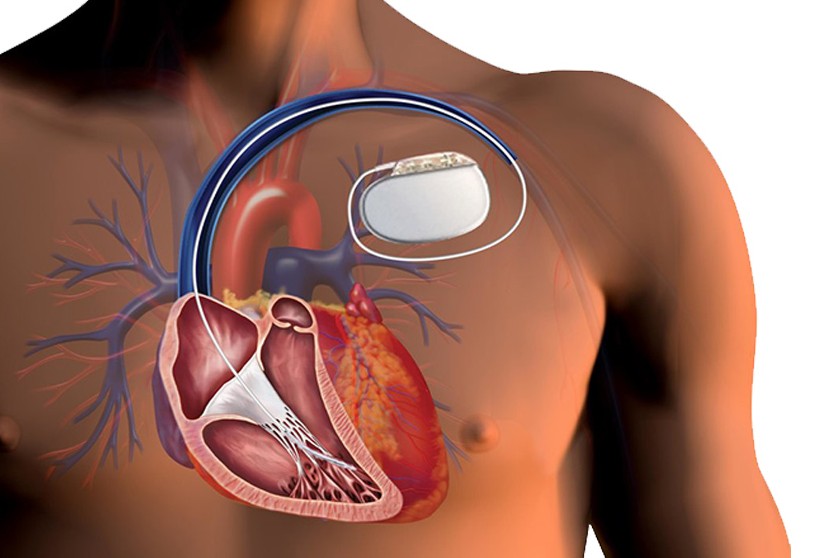
Automatic Implantable Cardioverter Defibrillator (AICD): Life-Saving Device for Dangerous Heart Rhythms
An Automatic Implantable Cardioverter Defibrillator (AICD), also known as an Implantable Cardioverter Defibrillator (ICD), is a small electronic device implanted in the chest to monitor and correct life-threatening heart rhythms (arrhythmias).
It can deliver electrical shocks or pacing therapy to restore a normal heartbeat, preventing sudden cardiac arrest.
Why is an AICD Needed?
An AICD is recommended for patients at risk of serious or life-threatening arrhythmias, such as:
- Ventricular tachycardia (VT)
- Ventricular fibrillation (VF)
- Previous sudden cardiac arrest
- Severe heart failure
- Cardiomyopathy
- High-risk coronary artery disease
How Does an AICD Work?
- The device continuously monitors heart rhythm
- If a dangerous rhythm is detected, it responds by:
- Delivering a low-energy pacing signal
- Delivering a high-energy shock (defibrillation)
- This helps restore a normal heart rhythm immediately
Types of AICD Devices
- Single-Chamber ICD: Monitors and treats one chamber (usually ventricle)
- Dual-Chamber ICD: Monitors both atrium and ventricle
- CRT-D (Combined Device): Combines cardiac resynchronization therapy (CRT) with defibrillation
How is AICD Implantation Performed?
- Local anesthesia and sedation are given
- A small incision is made near the collarbone
- Leads are inserted into the heart through veins
- The AICD device is connected and implanted under the skin
- The device is tested and programmed
The procedure usually takes 1–3 hours.
Benefits of AICD
- Prevents sudden cardiac death
- Automatically corrects dangerous arrhythmias
- Provides continuous heart monitoring
- Improves survival in high-risk patients
- Enhances peace of mind
Risks and Complications
Although generally safe, possible risks include:
- Infection at the implant site
- Bleeding or swelling
- Lead displacement
- Inappropriate shocks (rare)
- Device malfunction (rare)
Recovery After AICD Implantation
- Hospital stay: usually 1–2 days
- Resume light activities within a few days
- Avoid heavy lifting for a few weeks
- Regular follow-ups for device checks
Living with an AICD
- Carry a device ID card
- Avoid strong magnetic fields
- Inform doctors before medical procedures
- Follow medication and lifestyle advice
- Most daily activities can be resumed normally
Our Specialist

Dr. Virender Singh Bhati
MD Physician, Clinical Cardiologist, PGDCC (SPS Apollo Hospital, Ludhiana)
Associate Consultant - Department of Cardiology, Fortis Hospital, Greater Noida