Pacemaker Implantation: Procedure, Benefits & Recovery
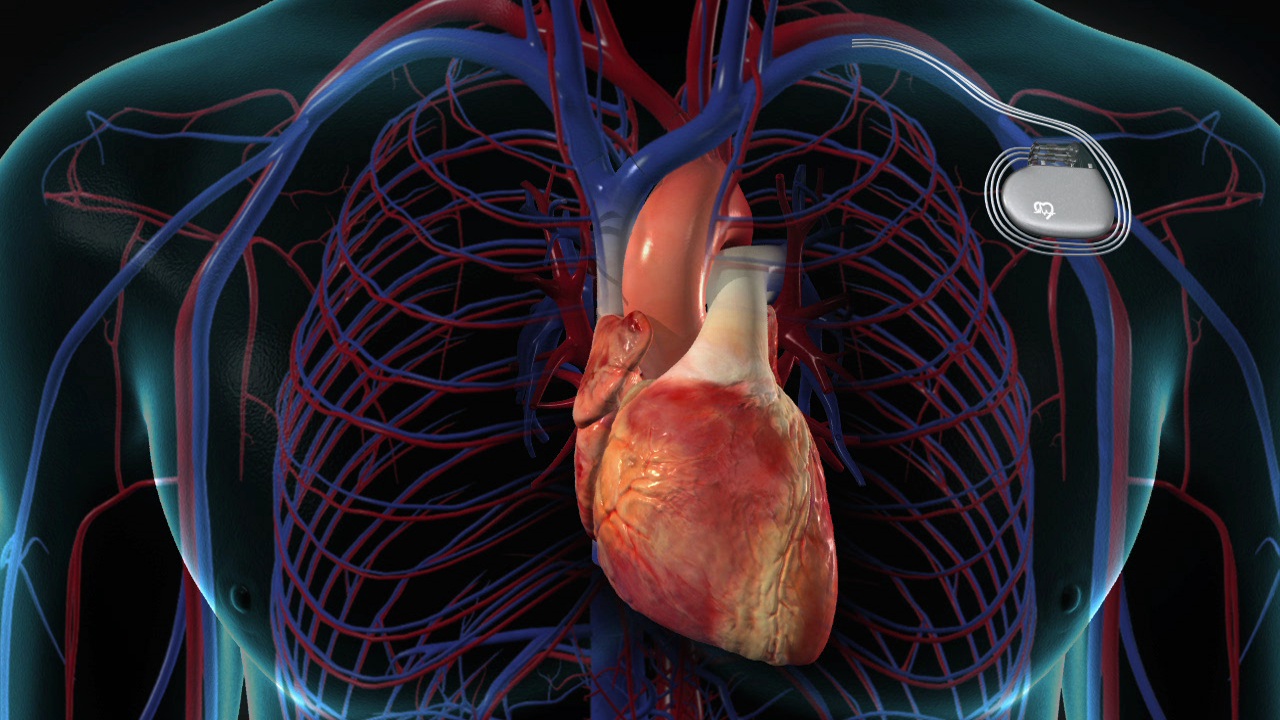
A pacemaker is a small, battery-operated medical device that helps regulate abnormal heart rhythms (arrhythmias). It sends electrical signals to the heart to maintain a normal heartbeat.
Pacemaker Implantation is a procedure in which this device is placed under the skin, usually near the chest.
Why is a Pacemaker Needed?
Pacemakers are recommended for patients with:
- Bradycardia (slow heart rate)
- Heart block (impaired electrical conduction)
- Irregular heart rhythms
- Fainting episodes (syncope) due to heart rhythm issues
- Certain heart failure conditions
Types of Pacemakers
- Single-Chamber Pacemaker: Stimulates one chamber (usually the right ventricle)
- Dual-Chamber Pacemaker: Stimulates both the right atrium and ventricle, maintains better coordination
- Biventricular Pacemaker (CRT): Used in heart failure patients, helps both ventricles pump efficiently
How is Pacemaker Implantation Performed?
- Local anesthesia and mild sedation are given
- A small incision is made below the collarbone
- Leads (wires) are inserted into the heart through veins
- The pacemaker device is connected to the leads
- The device is placed under the skin
- The incision is closed
The procedure usually takes 1–2 hours.
Benefits of Pacemaker Implantation
- Maintains a normal heart rate
- Reduces symptoms like dizziness and fainting
- Improves quality of life
- Helps prevent serious complications
- Supports heart function
Risks and Complications
Although generally safe, risks may include:
- Infection at the implant site
- Bleeding or swelling
- Lead displacement
- Device malfunction (rare)
- Allergic reaction to anesthesia
Recovery After Pacemaker Implantation
- Hospital stay: usually 1 day
- Resume light activities within a few days
- Avoid lifting heavy objects for a few weeks
- Follow-up visits to check device function
Living with a Pacemaker
- Avoid strong magnetic or electrical interference
- Carry a pacemaker ID card
- Inform doctors before medical procedures
- Regular device check-ups
- Most daily activities can be resumed
Our Specialist
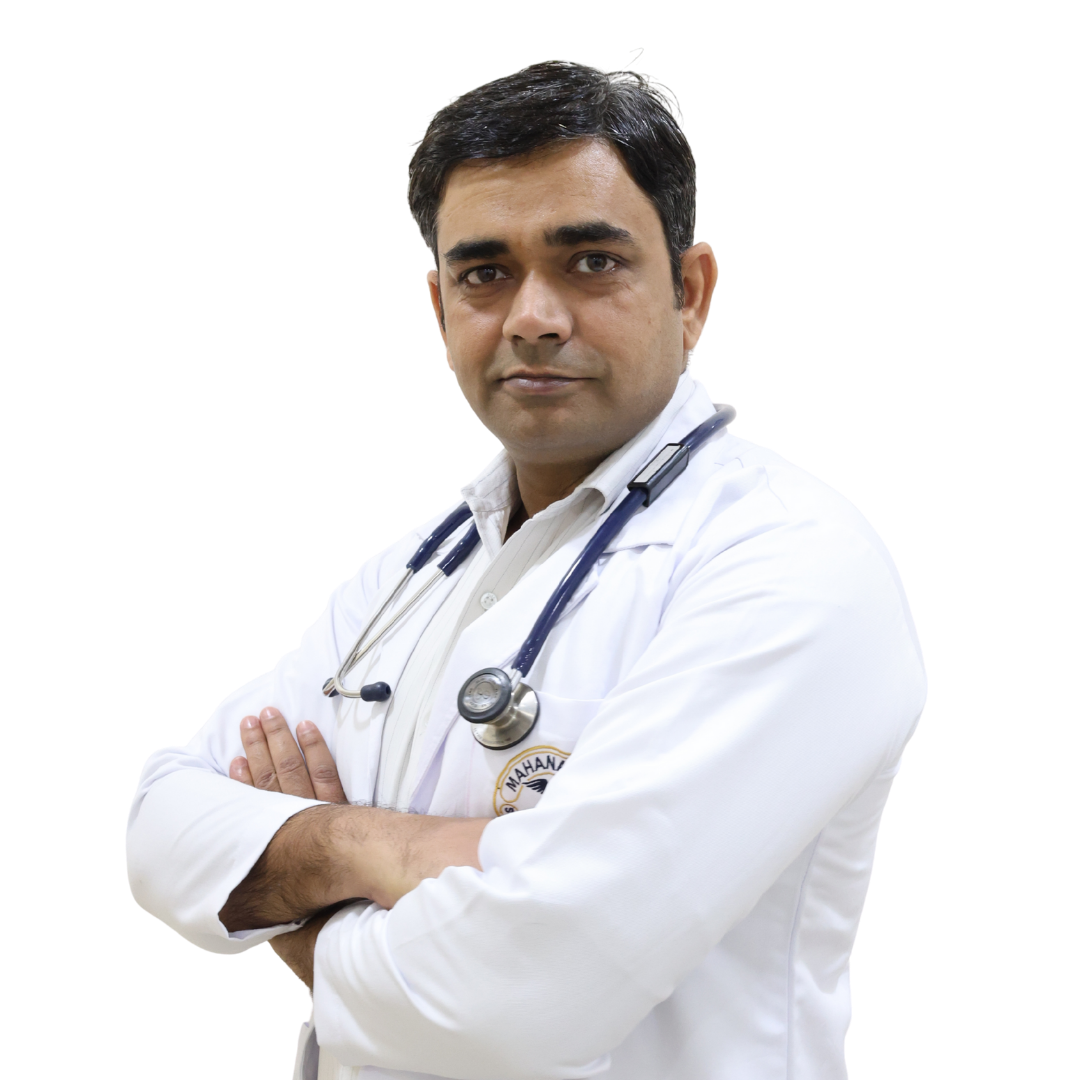
Dr. Virender Singh Bhati
MD Physician, Clinical Cardiologist, PGDCC (SPS Apollo Hospital, Ludhiana)
Associate Consultant - Department of Cardiology, Fortis Hospital, Greater Noida