Cyanotic Heart Disease: Causes, Symptoms, Diagnosis & Treatment
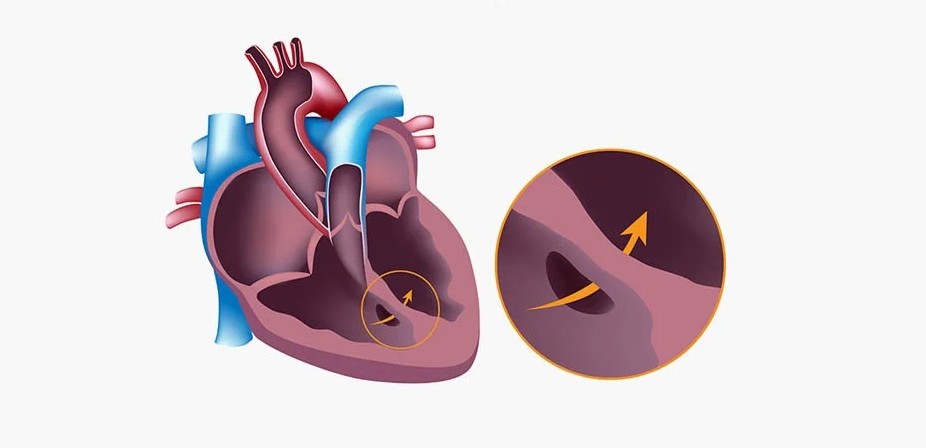
Cyanotic Heart Disease is a group of serious congenital (present at birth) heart defects that cause low oxygen levels in the blood, leading to a bluish discoloration (cyanosis) of the skin, lips, and nails.
These conditions typically involve right-to-left shunting of blood, where oxygen-poor blood bypasses the lungs and enters the body directly.
Common Types of Cyanotic Heart Disease
Some of the most common cyanotic heart defects include:
- Tetralogy of Fallot (TOF) – A combination of four heart defects affecting blood flow
- Transposition of the Great Arteries (TGA) – The two main arteries are reversed
- Tricuspid Atresia – Missing or abnormal tricuspid valve
- Pulmonary Atresia – Pulmonary valve does not form properly
- Total Anomalous Pulmonary Venous Return (TAPVR) – Abnormal blood flow from lungs to heart
Causes of Cyanotic Heart Disease
Cyanotic heart disease develops during fetal growth. While the exact cause is often unknown, possible risk factors include:
- Genetic abnormalities (e.g., Down syndrome)
- Maternal infections during pregnancy (like rubella)
- Diabetes in the mother
- Alcohol or drug use during pregnancy
- Family history of congenital heart defects
Symptoms of Cyanotic Heart Disease
Symptoms often appear soon after birth and may include:
- Bluish discoloration of skin, lips, and nails (cyanosis)
- Rapid or difficult breathing
- Poor feeding and failure to gain weight
- Fatigue or lethargy
- Clubbing of fingers (in older children)
- "Tet spells" (sudden episodes of severe cyanosis in some conditions)
How is Cyanotic Heart Disease Diagnosed?
Early diagnosis is critical and may involve:
- Physical Examination – Detecting cyanosis and abnormal heart sounds
- Pulse Oximetry – Measuring oxygen levels in blood
- Echocardiography (2D Echo) – Main diagnostic tool
- Chest X-ray – To assess heart and lungs
- Electrocardiogram (ECG) – Evaluates heart rhythm
- Cardiac CT or MRI – Detailed imaging
- Cardiac Catheterization – In complex cases
Treatment Options
Cyanotic heart disease often requires early and specialized treatment:
1. Medications
Used to stabilize the condition and manage symptoms.
2. Oxygen Therapy
Helps improve oxygen levels temporarily.
3. Interventional Procedures
Catheter-based procedures to improve blood
flow or correct defects.
4. Surgery
Most cases require corrective or palliative heart surgery,
often in infancy.
Complications if Left Untreated
Without treatment, cyanotic heart disease can lead to:
- Severe oxygen deficiency
- Delayed growth and development
- Stroke or brain abscess
- Heart failure
- Increased risk of infections
- Reduced life expectancy
Prevention Tips
While not all cases can be prevented, risk can be reduced by:
- Proper prenatal care
- Managing maternal diabetes
- Avoiding alcohol, smoking, and drugs during pregnancy
- Vaccination against infections like rubella
- Genetic counseling if there is a family history
When to See a Doctor?
Seek immediate medical attention if a child shows:
- Bluish skin or lips
- Difficulty breathing
- Poor feeding or weight gain
- Sudden worsening of symptoms (cyanotic spells)
Early treatment can be life-saving.
Our Specialist

Dr. Dheeraj Sharma
M.B.B.S., M.S., M. Ch., 12 Gold Medals to Life-Saving Surgeries
Senior Consultant Cardiovascular surgery - Fortis Hospital, Greater Noida