Angioplasty & Stenting: A Minimally Invasive Treatment for Heart Blockages
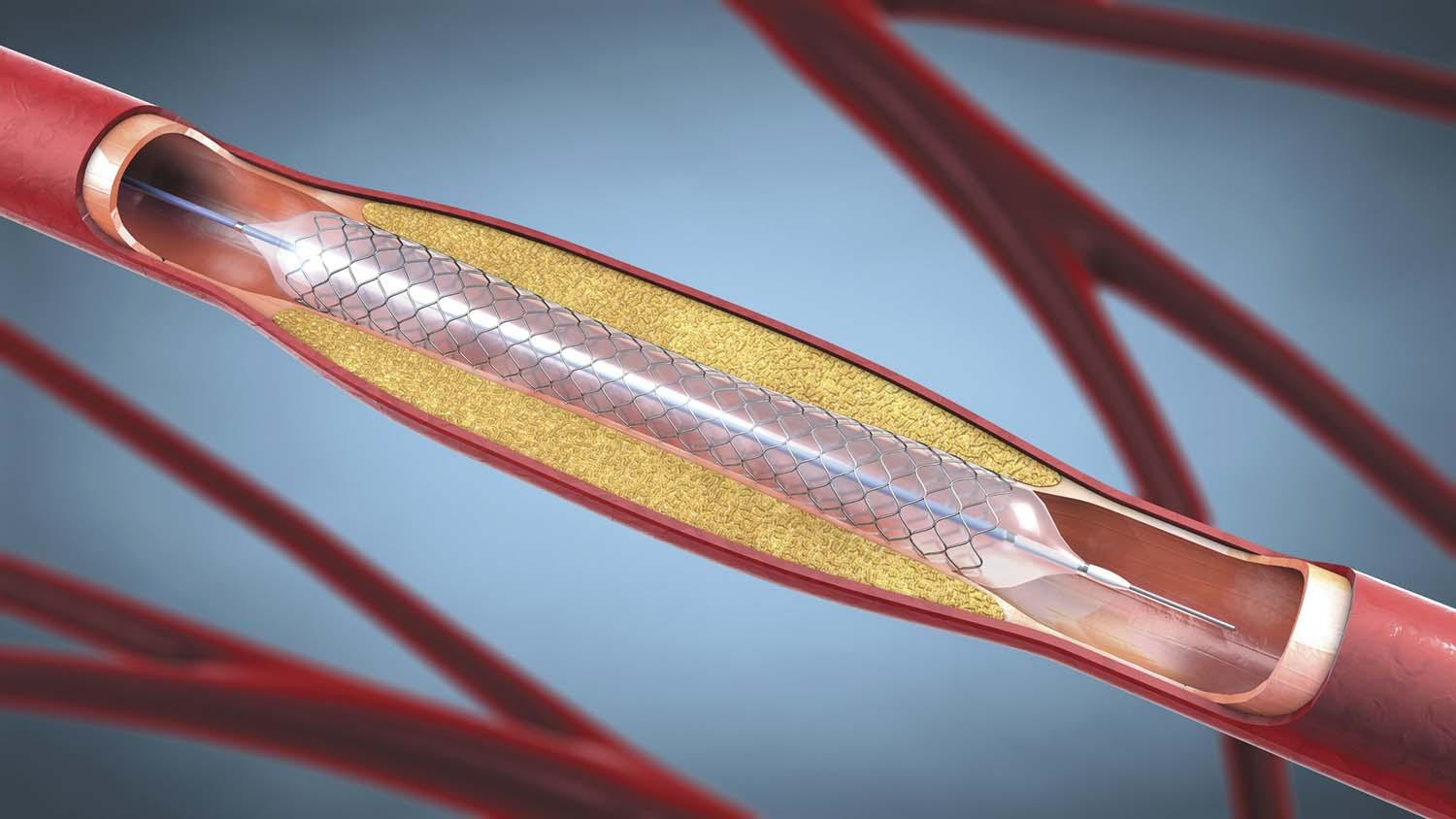
Angioplasty, also known as Percutaneous Coronary Intervention (PCI), is a minimally invasive procedure used to open blocked or narrowed coronary arteries. It is often combined with stenting, where a small mesh tube (stent) is placed inside the artery to keep it open.
This procedure helps restore normal blood flow to the heart and relieve symptoms like chest pain.
Why is Angioplasty Needed?
Angioplasty is recommended for:
- Coronary artery disease (CAD)
- Heart attack (emergency treatment)
- Severe chest pain (angina)
- Blocked or narrowed coronary arteries
- Failed medical therapy
Types of Stents Used
- Drug-Eluting Stents (DES): Release medication to prevent re-blockage; most commonly used
- Bare-Metal Stents (BMS): No drug coating; less commonly used today
- Bioabsorbable Stents: Dissolve over time; used in selected cases
How is Angioplasty Performed?
- Local anesthesia is given
- A catheter is inserted through the wrist (radial artery) or groin (femoral artery)
- A balloon is guided to the blocked artery
- The balloon is inflated to open the blockage
- A stent is placed to keep the artery open
- Blood flow is restored
The procedure usually takes 30–90 minutes.
Benefits of Angioplasty & Stenting
- Minimally invasive (no major surgery)
- Quick relief from chest pain
- Short hospital stay
- Faster recovery compared to surgery
- Life-saving in heart attacks
- Improves blood flow to the heart
Risks and Complications
Although generally safe, risks may include:
- Bleeding at the insertion site
- Blood clots in the stent
- Re-narrowing of the artery (rare with modern stents)
- Allergic reaction to contrast dye
- Kidney issues (in high-risk patients)
Recovery After Angioplasty
- Hospital stay: usually 1–2 days
- Resume normal activities within a few days
- Avoid heavy lifting for a week
- Take prescribed medications (especially blood thinners)
Lifestyle After Stenting
To prevent future blockages:
- Quit smoking
- Follow a heart-healthy diet
- Exercise regularly
- Control diabetes, blood pressure, and cholesterol
- Take medications as prescribed
When to Consult a Doctor?
Seek medical help if you experience:
- Chest pain or discomfort
- Shortness of breath
- Dizziness or fatigue
- Swelling or pain at the catheter site
Our Specialist

Dr. Virender Singh Bhati
MD Physician, Clinical Cardiologist, PGDCC (SPS Apollo Hospital, Ludhiana)
Associate Consultant - Department of Cardiology, Fortis Hospital, Greater Noida