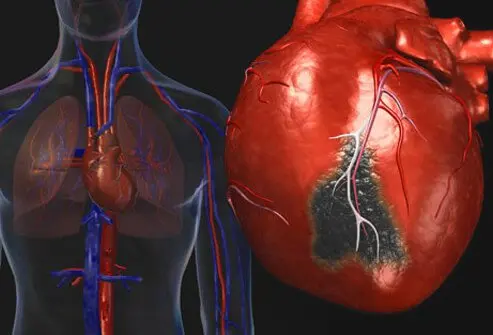
Beating-Heart Bypass (CABG): Procedure, Benefits, Risks & Recovery
Beating-Heart Bypass (CABG), also called Off-Pump Coronary Artery Bypass (OPCAB), is an advanced heart surgery performed without stopping the heart. Unlike traditional bypass surgery, this technique allows the surgeon to operate while the heart is still beating, avoiding the use of a heart-lung machine.
It is used to treat coronary artery disease (CAD) by improving blood flow to the heart through bypass grafts.
Why is Beating-Heart CABG Performed?
This procedure is recommended for patients who:
- Have multiple blocked coronary arteries
- Are at higher risk from traditional open-heart surgery
- Have kidney, lung, or neurological conditions
- Are elderly or have other medical complications
- Need reduced surgical stress and faster recovery
How is the Procedure Done?
Beating-heart CABG follows these steps:
- The surgeon makes an incision in the chest.
- The heart continues to beat throughout the surgery.
- A special stabilizing device is used to keep part of the heart steady.
- A healthy blood vessel (graft) is attached to bypass the blocked artery.
- Blood flow is restored without stopping the heart.
Advantages of Beating-Heart CABG
Compared to traditional CABG, this technique offers several benefits:
- Lower risk of stroke
- Reduced bleeding and need for blood transfusion
- Shorter hospital stay
- Faster recovery
- Lower risk of complications in high-risk patients
- Reduced impact on kidneys and brain
Risks and Limitations
Although safer in many cases, there are some risks:
- Incomplete revascularization in complex cases
- Technical difficulty for the surgeon
- Possibility of needing conversion to traditional CABG
- Risk of infection or bleeding
Who is a Suitable Candidate?
Not all patients are suitable for beating-heart surgery. Ideal candidates include:
- Patients with limited or specific artery blockages
- High-risk patients who cannot tolerate heart-lung machine
- Elderly individuals with multiple health issues
Your cardiac surgeon will decide the best approach based on your condition.
Recovery After Beating-Heart CABG
Recovery is generally quicker compared to traditional bypass surgery:
In Hospital:
- Short ICU stay
- Early mobilization
- Pain management
At Home:
- Resume light activities within a few weeks
- Follow cardiac rehabilitation
- Maintain a healthy lifestyle
Most patients recover within 4–8 weeks, faster than conventional CABG.
Lifestyle Changes After Surgery
To ensure long-term success:
- Stop smoking
- Follow a heart-healthy diet
- Exercise regularly
- Control diabetes, blood pressure, and cholesterol
- Take medications as prescribed
Our Specialist

Dr. Dheeraj Sharma
M.B.B.S., M.S., M. Ch., 12 Gold Medals to Life-Saving Surgeries
Senior Consultant Cardiovascular surgery - Fortis Hospital, Greater Noida