How Lifestyle Changes Can Prevent Heart Disease
Heart disease is one of the leading causes of death worldwide—but the good news is that most cases are preventable. By making simple yet consistent lifestyle changes, you can significantly reduce your risk of developing serious conditions like Coronary Artery Disease and Heart Attack.
Why Lifestyle Matters for Heart Health
Your daily habits directly affect your heart. Poor diet, lack of exercise, stress, and unhealthy routines can lead to high blood pressure, cholesterol buildup, and other risk factors that damage your heart over time.
The good news? Even small changes can make a big difference.
Top Lifestyle Changes to Prevent Heart Disease
1. Eat a Heart-Healthy Diet
Your diet plays a crucial role in maintaining heart health.
What to include:
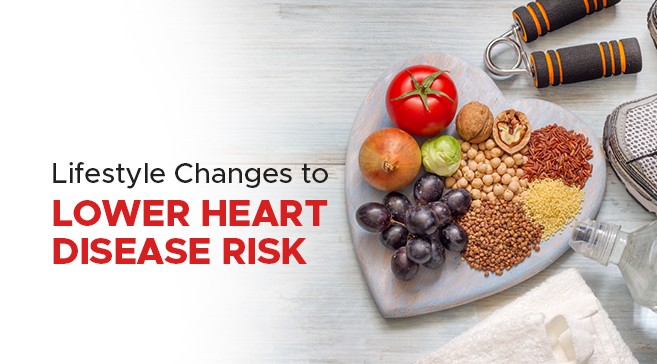
- Fresh fruits and vegetables
- Whole grains (oats, brown rice)
- Lean proteins (fish, chicken, legumes)
- Healthy fats (nuts, seeds, olive oil)
What to avoid:
- Processed and fried foods
- Excess salt and sugar
- Trans fats and junk food
A balanced diet helps reduce cholesterol and prevents conditions like Coronary Artery Disease.
2. Stay Physically Active
Regular exercise strengthens your heart and improves blood circulation.
- Aim for at least 30 minutes of activity daily
- Include walking, jogging, cycling, or yoga
- Avoid sitting for long hours
Exercise reduces the risk of Heart Attack and improves overall fitness.
3. Maintain a Healthy Weight
Being overweight increases strain on your heart and raises the risk of diabetes and high blood pressure.
- Monitor your BMI
- Focus on sustainable weight loss
- Combine diet and exercise
Maintaining a healthy weight lowers your chances of heart-related complications.
4. Quit Smoking and Limit Alcohol
Smoking is one of the biggest risk factors for heart disease.
- Damages blood vessels
- Reduces oxygen supply
- Increases blood pressure
Similarly, excessive alcohol intake can lead to irregular heartbeat and hypertension. Reducing these habits can significantly improve heart health.
5. Manage Stress Effectively
Chronic stress can silently harm your heart.
- Practice meditation or yoga
- Take breaks from work
- Maintain a healthy work-life balance
Stress management reduces the risk of conditions like Arrhythmia.
6. Get Quality Sleep
Sleep is essential for heart health.
- Aim for 7–8 hours of sleep daily
- Maintain a regular sleep schedule
- Avoid screen time before bed
Poor sleep can lead to high blood pressure and increase the risk of heart disease.
7. Monitor Blood Pressure and Cholesterol
Regular health check-ups are crucial—even if you feel healthy.
- Check blood pressure regularly
- Monitor cholesterol and blood sugar levels
- Follow your doctor’s advice
Early detection helps prevent serious conditions like Heart Failure.
8. Stay Hydrated
Drinking enough water helps maintain proper blood circulation and reduces strain on your heart.
9. Limit Sugar and Salt Intake
- Excess sugar increases risk of diabetes
- High salt intake leads to hypertension
Both are major contributors to heart disease.
10. Stay Consistent with Healthy Habits
Consistency is key. Small, daily efforts lead to long-term heart health benefits.
Benefits of a Heart-Healthy Lifestyle
- Lower risk of heart disease
- Improved energy levels
- Better mental health
- Longer life expectancy
- Reduced medical expenses
When to See a Doctor
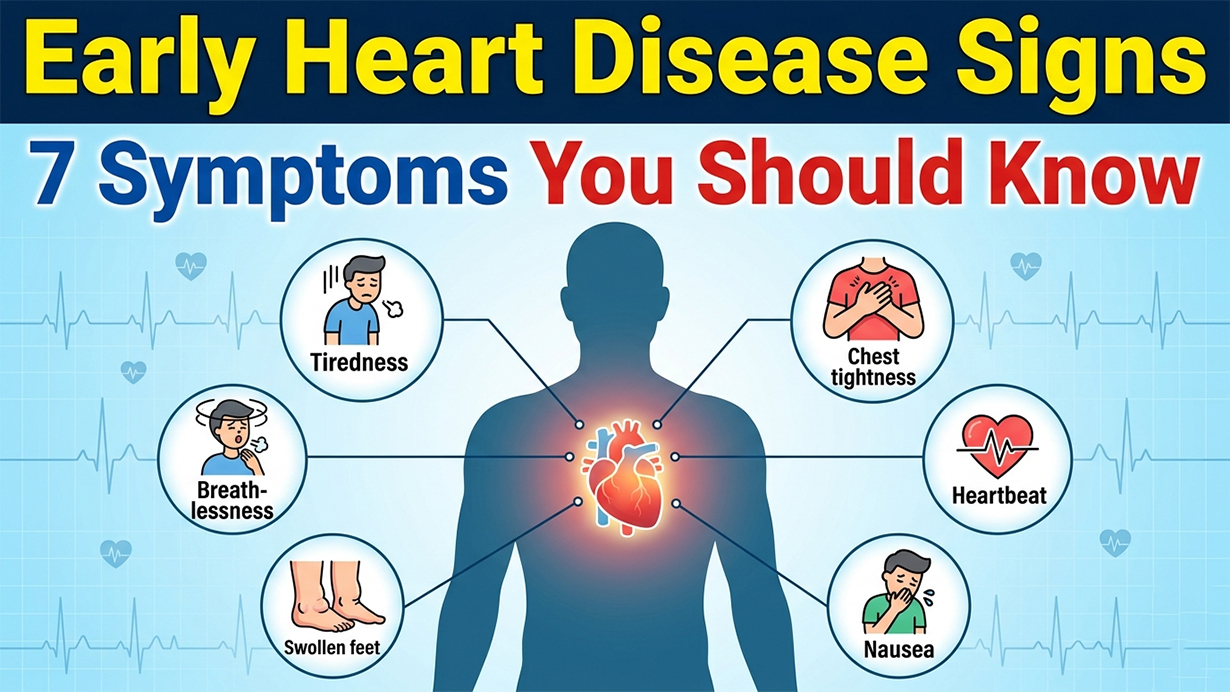
Even with a healthy lifestyle, watch for warning signs like:
- Chest pain
- Shortness of breath
- Dizziness
- Irregular heartbeat
Consult a healthcare professional immediately if you notice these symptoms.
Conclusion
Preventing heart disease doesn’t require drastic changes—just consistent, smart lifestyle choices. By eating well, staying active, managing stress, and getting regular check-ups, you can protect your heart and live a healthier life.