Early Signs of Heart Disease You Should Never Ignore
Heart disease remains one of the leading causes of death worldwide, including in India. The biggest challenge is that many people ignore the early warning signs until it becomes a serious emergency. Conditions like Coronary Artery Disease and Heart Attack often develop gradually, giving subtle signals that shouldn’t be overlooked.
What is Heart Disease?
Heart disease refers to a range of conditions that affect the heart, including Arrhythmia, Heart Failure, and coronary artery problems. Early detection can significantly improve outcomes and prevent complications.
Early Signs of Heart Disease
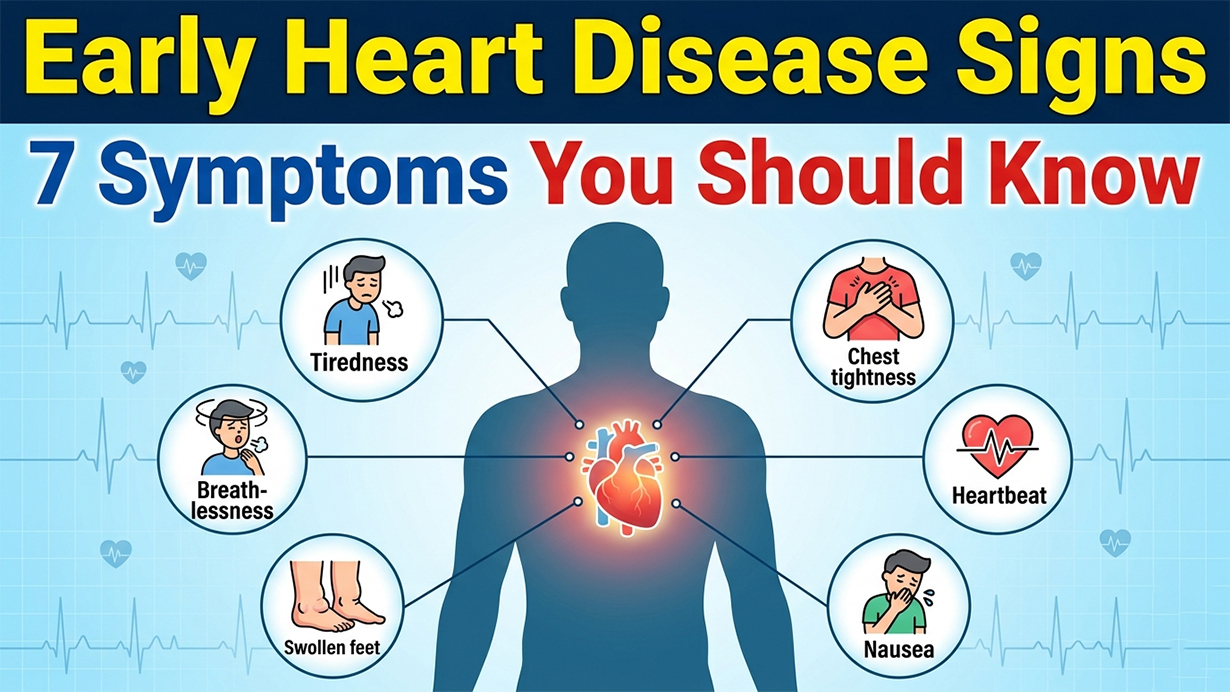
1. Chest Discomfort or Pain
One of the most common symptoms is chest pain or discomfort, often described as pressure, tightness, or burning. It may come and go and is sometimes mistaken for acidity.
👉 Don’t ignore persistent chest pain—it could be an early warning of a heart attack.
2. Shortness of Breath
If you feel breathless even during mild activities or while resting, it could indicate your heart isn’t pumping blood efficiently. This is often linked to conditions like Heart Failure.
3. Unusual Fatigue
Feeling excessively tired without any clear reason is another early sign. This is especially common in women and may appear weeks before a heart attack.
4. Pain in Arms, Neck, Jaw, or Back
Heart-related pain isn’t always limited to the chest. It may radiate to:
- Left or right arm
- Neck
- Jaw
- Upper back
These symptoms are often seen in Coronary Artery Disease.
5. Irregular Heartbeat (Palpitations)
An occasional skipped beat is normal, but frequent palpitations or a racing heart may indicate Arrhythmia.
6. Swelling in Legs, Ankles, or Feet
Swelling (edema) can occur when the heart cannot pump blood effectively, leading to fluid buildup—often associated with Heart Failure.
7. Dizziness or Lightheadedness
Feeling faint or dizzy could mean reduced blood flow to the brain, which may signal underlying heart issues.
8. Persistent Cough or Wheezing
A long-lasting cough, especially with white or pink mucus, can indicate fluid accumulation in the lungs due to heart problems.
9. Nausea, Indigestion, or Stomach Pain
These symptoms are often overlooked, especially in women. Many mistake them for digestive issues, but they can be early signs of a heart attack.
10. Cold Sweats
Breaking out in cold sweats without physical exertion can be a warning sign of an impending Heart Attack.
When Should You See a Doctor?
Seek immediate medical attention if you experience:
- Severe chest pain
- Difficulty breathing
- Sudden weakness or fainting
- Pain spreading to arms or jaw
Early diagnosis can prevent life-threatening complications.
Risk Factors You Should Know
Understanding risk factors helps in prevention:
- High blood pressure
- High cholesterol
- Smoking
- Diabetes
- Obesity
- Sedentary lifestyle
These increase the chances of developing Coronary Artery Disease.
Tips to Prevent Heart Disease
- Eat a balanced, heart-healthy diet
- Exercise regularly (at least 30 minutes daily)
- Quit smoking
- Manage stress
- Get regular health check-ups
Conclusion
Heart disease often starts silently, but your body gives warning signs—you just need to pay attention. Ignoring early symptoms can lead to severe complications, including a heart attack or heart failure.
If you notice any of these signs, don’t delay—consult a healthcare professional immediately. Early intervention can save your life.